



What’s Causing My Elbow and Wrist Pain
And How Can Physical Therapy Help?
April Newsletter
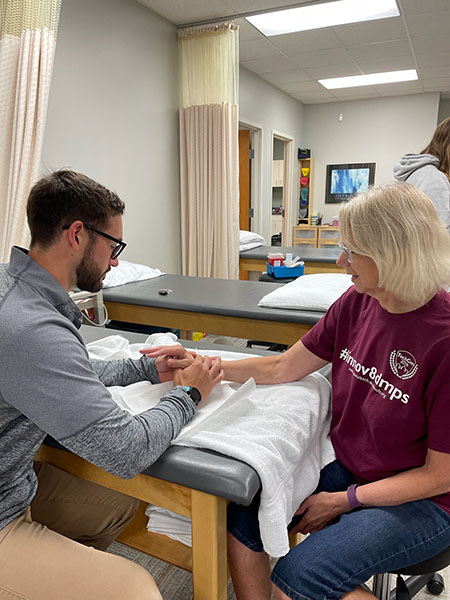
Remember the last time you accidentally slammed your funny bone? That sharp, radiating pain is deeply unpleasant — fortunately, it usually only lasts a few moments. But what happens when that pain lingers? If you’re dealing with pain in your elbow, forearm, or wrist, Elevate Physical Therapy & Sports Medicine is here to help!
Wrist and elbow pain can have several potential causes. Three major nerves run through the arm and can become entrapped, leading to numbness, tingling, and pain. You can also injure the muscles, tendons, or ligaments in the elbow and wrist joints, which can cause mobility restrictions and pain in the impacted area.
Our team of physical therapists will help you get to the bottom of your elbow pain — and we’ll help you find a way to resolve that pain for good. Call us to schedule an appointment and get started today!
A Closer Look at the Causes of Wrist and Elbow Pain
When you come in for your appointment, the first thing we’ll do is carefully review your symptoms and run a few simple movement screens to help pinpoint the cause of your pain.
Overuse injuries are one of the more common causes of wrist and elbow pain. You’ve probably heard of conditions such as tennis elbow or golfer’s elbow — both are examples of overuse injuries. They stem from repetitive movements or awkward postures that strain the joint’s soft tissue, leading to a gradual onset of symptoms.
You can also suffer acute injuries, particularly in the wrist. These injuries happen suddenly rather than over time. Wrist sprains, in which the ligaments in the wrist suffer damage, are among the most common. You can also fracture the bones in your wrist and elbow, which will typically require medical intervention.
Nerve disorders are another common source of discomfort in the elbow, forearm, and wrist. They occur when one of the nerves running through the arm becomes entrapped, leading to pain, numbness or tingling, and mobility restrictions. The location of your symptoms can let you know which nerve is affected:
- Carpal tunnel syndrome affects the median nerve and can become trapped in a structure in your wrist (the carpal tunnel). You’ll typically experience symptoms in your wrist and hand.
- Cubital tunnel syndrome affects the ulnar nerve, which passes through a narrow structure in your elbow (the cubital tunnel). If the nerve becomes entrapped in the cubital tunnel, it can cause symptoms in your elbow and hand.
Finally, arthritis can affect your elbows and wrists, leading to pain and restricted range of motion.
What Physical Therapy Can Do to Help Ease Your Wrist and Elbow Pain
Once our therapist has determined the source of your pain, we’ll develop a customized treatment program to help you find relief. The good news is that physical therapy alone can resolve most common sources of wrist and elbow pain. Here are a few of the techniques we might incorporate into your program:
Manual Therapy
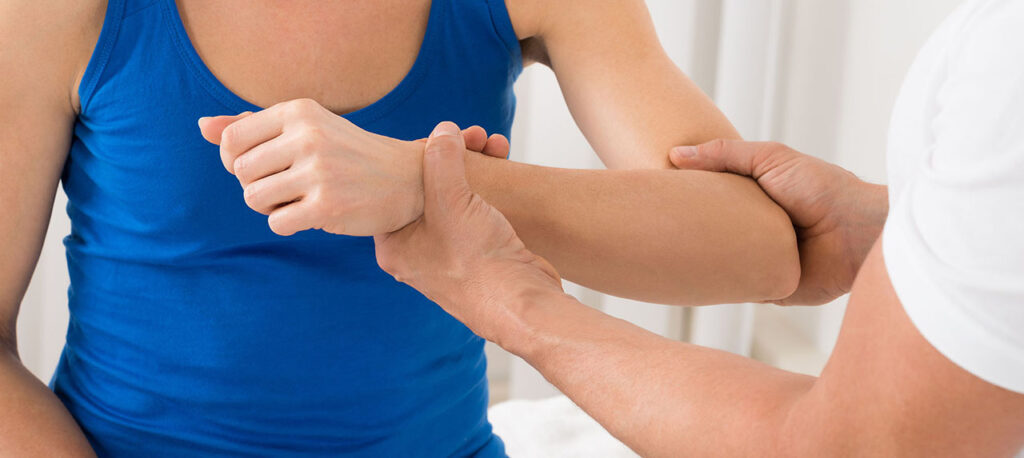
Manual therapy techniques help reduce pain and restore mobility restrictions. We might guide the joint through its current range of motion, manipulate your soft tissue, or try other techniques.
Therapeutic Exercises
We’ll create a targeted, progressive exercise program to ease your symptoms. We’ll start with gentle stretches and mobility work, then move on to strengthening exercises to help support and stabilize the impacted joint.
Braces and Splints
Some conditions might benefit from a brace or splint, which temporarily immobilizes the joint as you work on treatment. We’ll let you know if it’s a good choice and help you find the right device to suit your needs.
Injury Prevention
We’ll let you know what you can do to prevent future injuries. We might show you ergonomic adjustments to reduce the impact of repetitive movements, postural corrections to minimize strain on your wrist or elbow, or other strategies.
Let’s Get to the Root of Your Wrist or Elbow Pain!
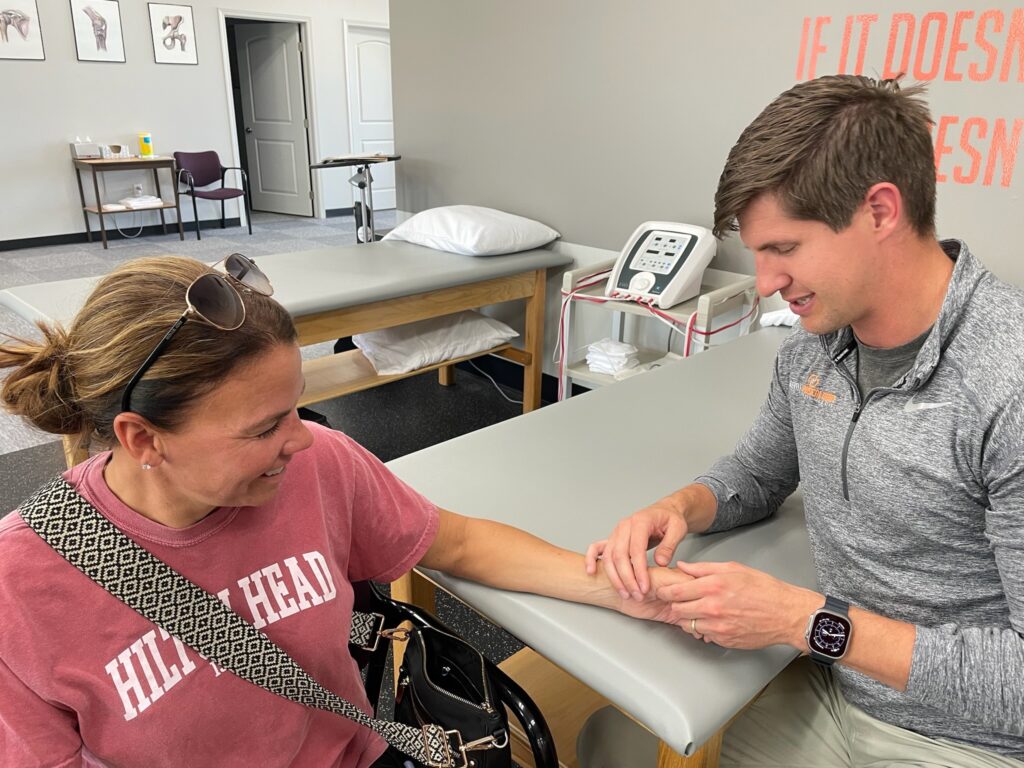
Pain in the wrist or elbow can seriously impact your quality of life, making it difficult to perform day-to-day movements like brushing your teeth, typing on a computer, or preparing a meal. The team at Elevate Physical Therapy & Sports Medicine will help you get to the bottom of your pain to find lasting relief.
Call us to schedule your initial appointment today!
Our Patients Get Great Results
“I saw Tamie (again!), this time for a hip issue. Once again I was given the best care, easy instructions for exercises to do on my own at home and I continually progressed. I’m so thankful Elevate is there and am really thankful I was able to get in to see Tamie. She listened to me and adjusted my exercises accordingly. Also everyone in the office is so nice and professional. I’d recommend Elevate to anyone!”
— Michelle S.
Nerve Glides
Simple Exercises to Ease Nerve Discomfort
If your elbow, wrist, or hand pain stems from a nerve disorder (like carpal tunnel or cubital tunnel syndromes), you might benefit from nerve glide exercises. These simple mobilization techniques stretch the nerves and encourage them to follow the natural movement of your joint.
Your arm contains three major nerves, and the Elevate Physical Therapy & Sports Medicine physical therapists have a nerve mobilization exercise for each. Try them out at home — but stop if you feel any pain.
And if you want to learn more about nerve gliding exercises, schedule an appointment with us today!
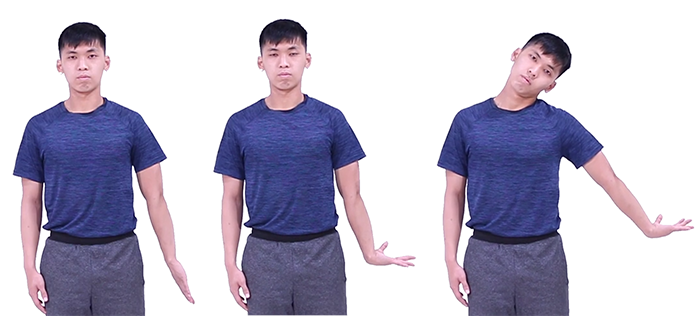
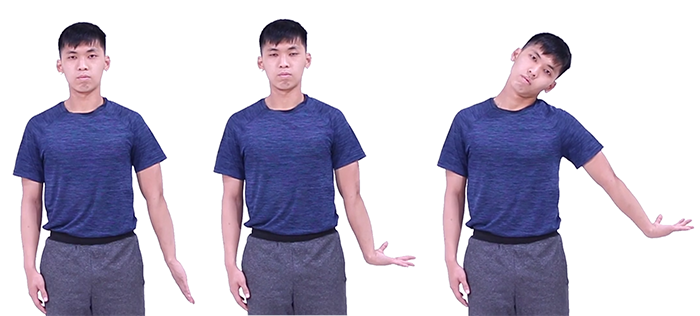
Median Nerve Glide
- Stand up straight and place one arm by your side, the palm facing up. Slowly bend your wrist back so your fingers move toward the floor, and you feel a stretch in the front of your wrist and palm.
- Next, tilt your head away from your arm. Imagine your arm, neck, and head forming a diagonal line.
- Hold for a few seconds before returning to the starting position and repeating on the other side.
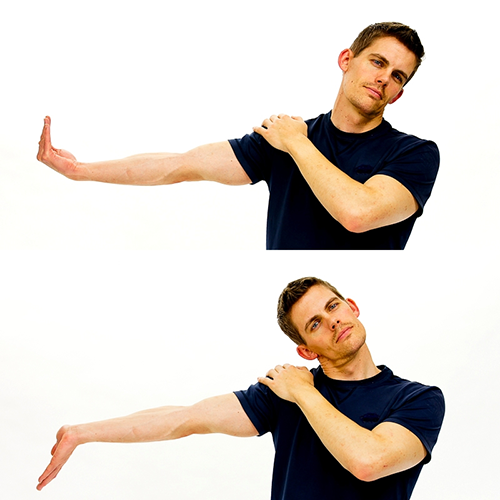
Ulnar Nerve Glide
- Stand up straight and hold your arm so that it forms a 90-degree angle with your palm turned away from your body. Turn your head to look at the back of your hand.
- Next, bend your wrist so your fingers point toward your face. Then, slowly move your hand and head so that you can touch your palm to the side of your face.
- Repeat the movement a few times, then move to the other side.
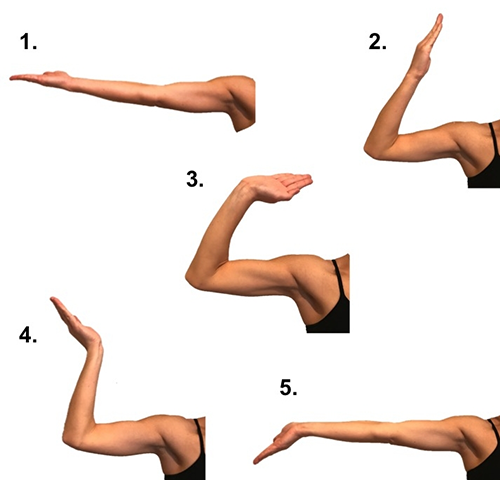
Radial Nerve Glide
- Stand straight with your arm at your side, palm facing to the back. Bend your wrist so your palm faces the ceiling.
- Holding your hand in that position with your arm straight, raise the arm until you feel a pull in your arm. How high you can go will vary from person to person.
- Tilt your head away from your arm, then toward your arm, moving slowly.
- Repeat a few times, then move to the other side.

Garden and Yard Work:
Approaches to Injury Prevention
Spring has sprung, and many are eager to get their hands dirty in the garden or yard. However, these activities can put an unexpected strain on your body if you’re not prepared. Try these tips to keep you gardening longer while minimizing your risk for injury.
- Movement Prep: Gone are the days of old-school static stretching. Instead, use a dynamic warm-up to prep your muscles and joints for gardening.
- Spinal Health: Incorporate ‘active breaks’ every 20 minutes to reset your spine. Or alternate between working up high (like trimming bushes) and down low (like planting flowers). This gives specific muscle groups a break and reduces the risk of overuse injuries.
- Neuromuscular Control: Practice exercises that engage both your brain and muscles, like balance exercises to avoid trips and falls over uneven terrain or gardening tools, making it easier to navigate through your garden.
Utilizing these cutting-edge approaches can ensure a physically fulfilling and injury-free gardening season, allowing you to fully enjoy the fruits (and flowers) of your labor.
Happy Gardening!



Exercise of the Month
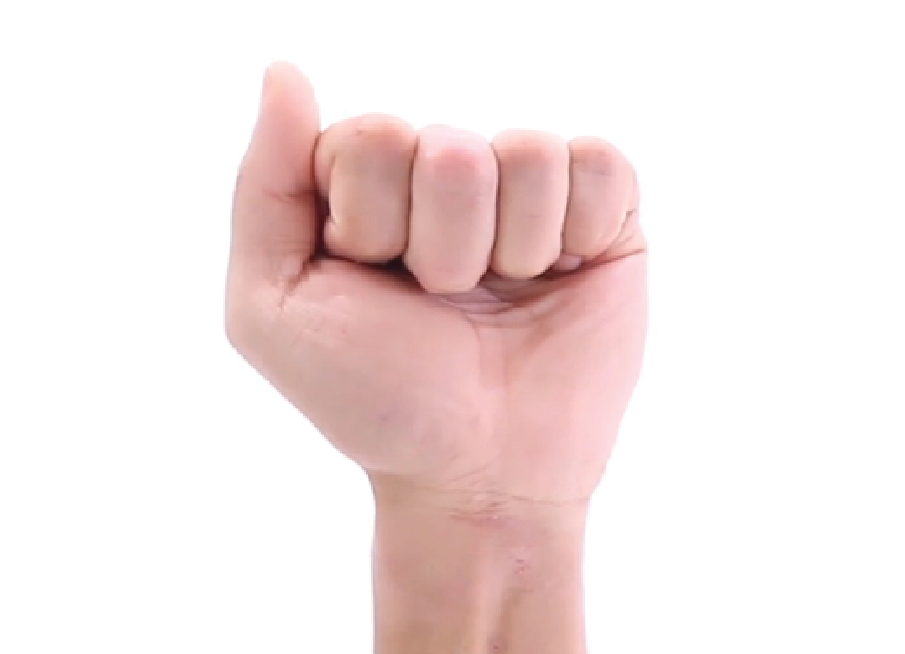
AROM Hand/Finger Tendon Glide
Start with your fingers straight. Make a hook fist, and return to a straight hand. Make a full fist, then return to a straight hand. Make a straight fist, and return to a straight hand. Repeat for 3 sets of 20 reps on both hands.




What Can You Do For Elbow Pain?
Andrew Bartek, PT, DPT, has some exercises for lateral epicondylitis or tennis elbow.

Feel Better by Eating Better!
Stir-Fry Rice Bowl
Looking for a quick, healthy, and satisfying meal? This Stir-Fry Rice Bowl is packed with fresh vegetables, warm brown rice, and a perfectly poached egg for a deliciously balanced dish. This meal is both comforting and nutritious — perfect for a busy weeknight dinner!
Try it out and enjoy a wholesome, homemade meal.
In a large skillet, heat canola oil over medium-high heat. Add carrots, zucchini and mushrooms; cook and stir for 3-5 minutes or until carrots are crisp-tender. Add bean sprouts, spinach, water, soy sauce and chili sauce; cook and stir just until spinach is wilted. Remove from heat; keep warm.
Place 2-3 in. water in a large skillet with a high side. Bring to a boil; adjust heat to maintain a gentle simmer. Break cold eggs, 1 at a time, into a small bowl; holding bowl close to surface of water, slip egg into water.
Cook, uncovered, 3-5 minutes or until the egg whites are completely set and the yolks begin to thicken but are not hard. Using a slotted spoon, lift eggs out of water.
Serve rice in bowls; top with vegetables. Drizzle with sesame oil. Top each serving with a poached egg.
Ingredients
- 1 tablespoon canola oil
- 2 medium carrots, julienned
- 1 medium zucchini, julienned
- 1/2 cup sliced baby portobello mushrooms
- 1 cup bean sprouts
- 1 cup fresh baby spinach
- 1 tablespoon water
- 1 tablespoon reduced-sodium soy sauce
- 1 tablespoon chili garlic sauce
- 4 large eggs
- 3 cups hot cooked brown rice
- 1 teaspoon sesame oil
Meet Our Team

Joe Stangl
Clinic Director, Physical Therapist

Dyllan Frahm
Physical Therapist

Colton Schnetzer
Physical Therapist

Samantha Sullivan
Physical Therapist

Tamie Drees
Physical Therapist

Lauren Rowedder
Billing Specialist

Bekah Wetter
Physical Therapist

Amy Entrekin
Physical Therapist

Andrew Bartek
Owner and Physical Therapist

Grant Jacobson
Owner and Physical Therapist

Cindy Bartek
Owner, Director of Marketing and Public Relations