



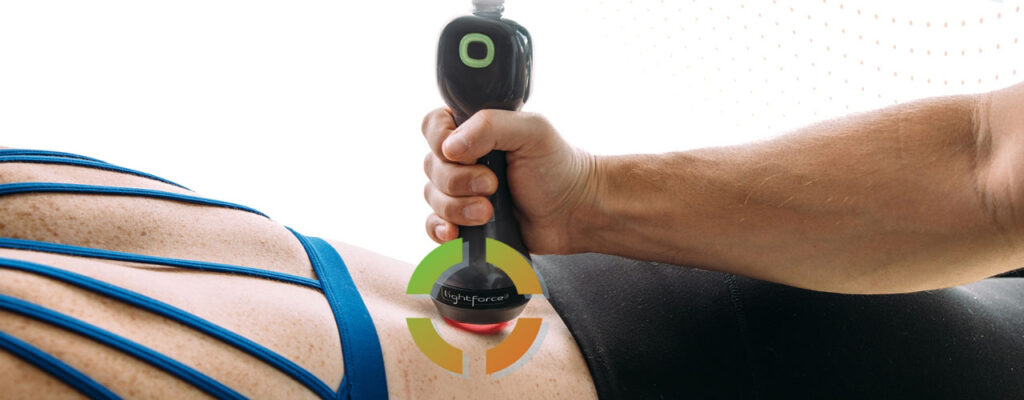
Exploring the Many Benefits of Deep Tissue Laser Therapy
February Newsletter
Dolores (not her real name) had been living with hip osteoarthritis for years. As her condition progressed, she found it more and more difficult to stay active — which only worsened her symptoms. Desperate, she visited Elevate Physical Therapy & Sports Medicine to see if we could help.
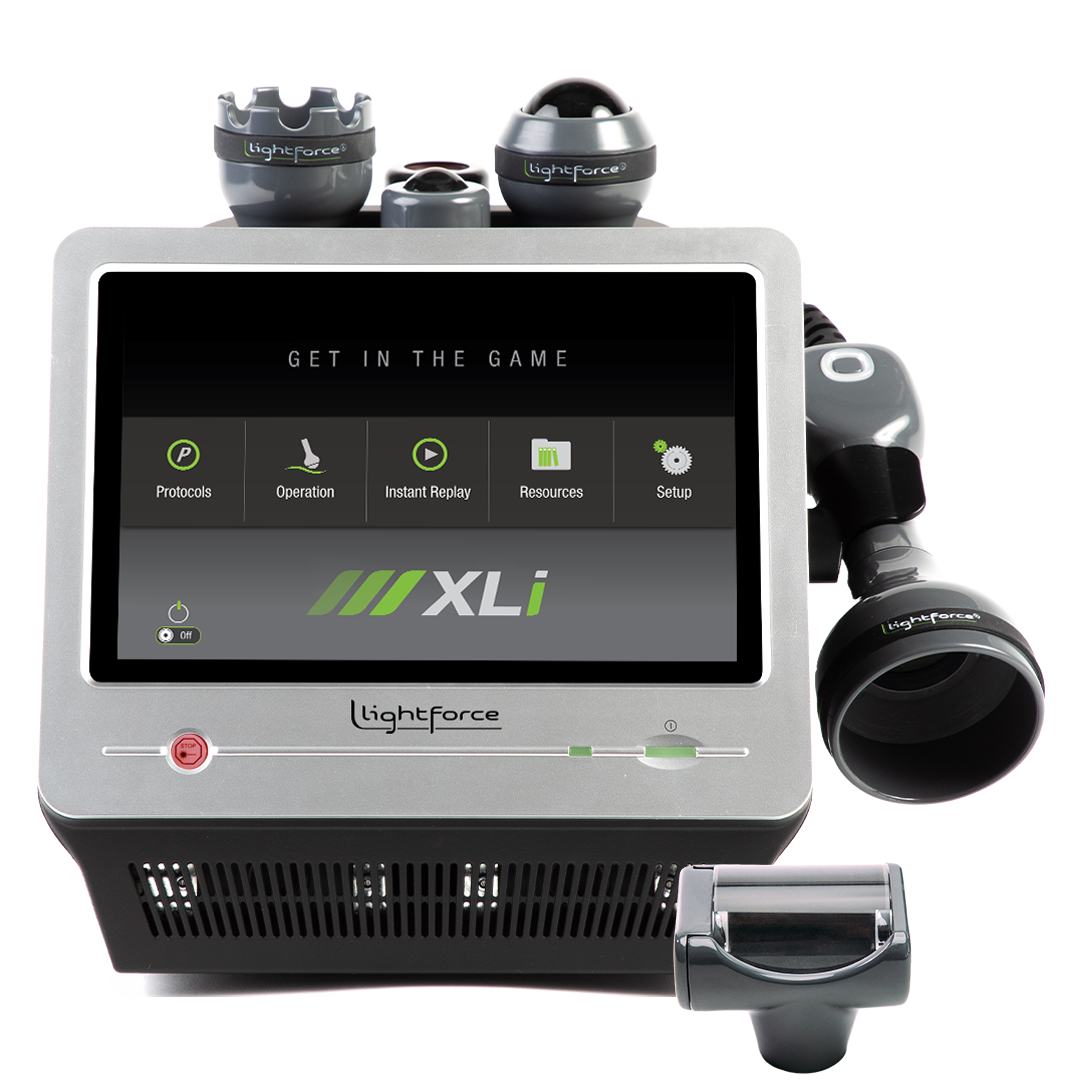
And help we did! We introduced Dolores to our Lightforce laser, a noninvasive, state-of-the-art tool that utilizes deeply penetrating light waves to reduce pain and inflammation, stimulate the body’s healing process, and provide lasting relief.
After a few weeks of regular deep tissue laser therapy treatment, Dolores found that her pain had diminished enough that she was able to begin a new daily exercise routine that helped further manage her pain and improve her mobility.
Laser therapy might sound scary, but it’s an important tool in managing and addressing several musculoskeletal conditions. Could it benefit you? Keep reading to learn more — or call us to schedule an appointment!
What Exactly Can Laser Therapy Do?
Laser therapy provides several unique benefits, including…
- Reducing inflammation
- Providing acute pain relief
- Increasing blood circulation
- Facilitating your body’s natural healing processes
For these reasons, laser therapy can benefit several musculoskeletal conditions. Let’s look at some common conditions we see at our clinic–and how laser therapy helps those patients thrive!
- Arthritis refers to several conditions, including osteoarthritis and rheumatoid arthritis, that cause joint pain and inflammation. Exercise is one of the best ways to address arthritis pain, but breaking through the initial discomfort can be challenging for many. Laser therapy can help reduce joint pain and stiffness, making it easier for you to get active.
- Nerve entrapments occur when a nerve becomes compressed by other structures. Perhaps the most well-known is carpal tunnel syndrome, which affects your hands and fingers. Laser therapy helps reduce the inflammation and pain associated with the condition and may help promote the healing of damaged nerves, helping ensure lasting relief.
- Soft-tissue injuries are any injuries that affect your muscles, tendons, or ligaments. These injuries often stem from overuse, which creates microdamage in the tissue, leading to persistent pain. While these injuries will generally heal on their own with proper care, laser therapy can help facilitate that process so you can return to your day-to-day activities as quickly as possible.
- Herniated discs occur when an intervertebral disc ruptures or bulges, leading to intense pain and muscle guarding/spasms (usually in the lower back). Laser therapy can reduce that pain and alleviate muscle tension so you can move more easily as you work through your rehabilitation.
What Happens During Laser Therapy Treatment?
We typically use deep tissue laser therapy as part of a comprehensive treatment plan that incorporates other interventions, including therapeutic exercise, manual therapy, and functional training. So, before you ever see our Lightforce laser, we’ll conduct a comprehensive assessment that allows us to better understand your needs and determine whether or not laser therapy is the right choice for you.
Once done, we’ll create a treatment schedule based on your needs. Some people need one session to see results; others benefit from multiple sessions over 2-3 weeks.
The sessions themselves are quick, typically only lasting a few minutes. There’s nothing you’ll need to do to prepare beforehand, although you should wear clothes that give us easy access to the treatment area. You can also leave jewelry at home; we’ll ask you to remove it before treatment begins.
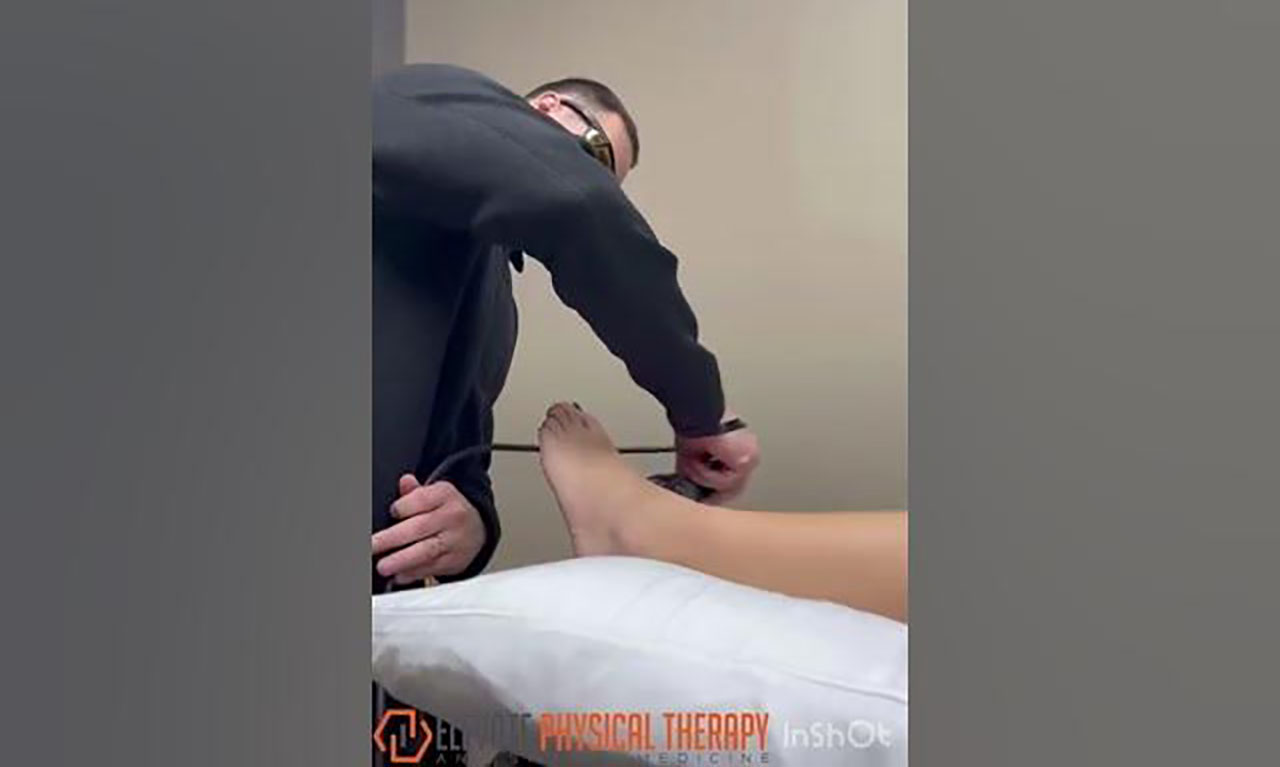
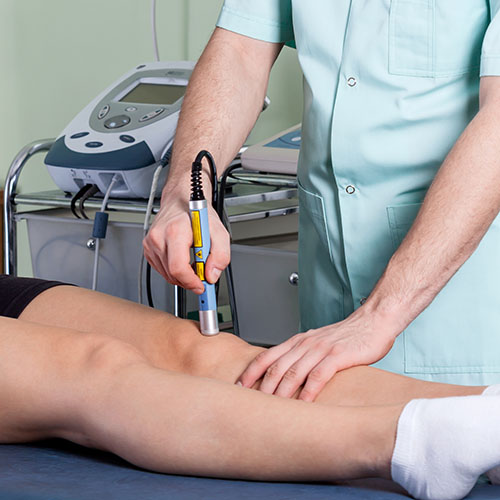
During your session, our therapists will run the laser wand over your bare skin. Most patients don’t report any pain, although there may be some cases where you experience some discomfort during and after your session. This pain should subside, especially with subsequent sessions.
Depending on your treatment plan, we may move on to other techniques, such as manual therapy or targeted exercises.
Is Laser Therapy Right For You?
If you’re struggling with persistent joint or musculoskeletal pain, laser therapy with Elevate Physical Therapy & Sports Medicine could be the solution you need! The best way to find out is to schedule an initial consultation with our expert physical therapists. Call today to get started!
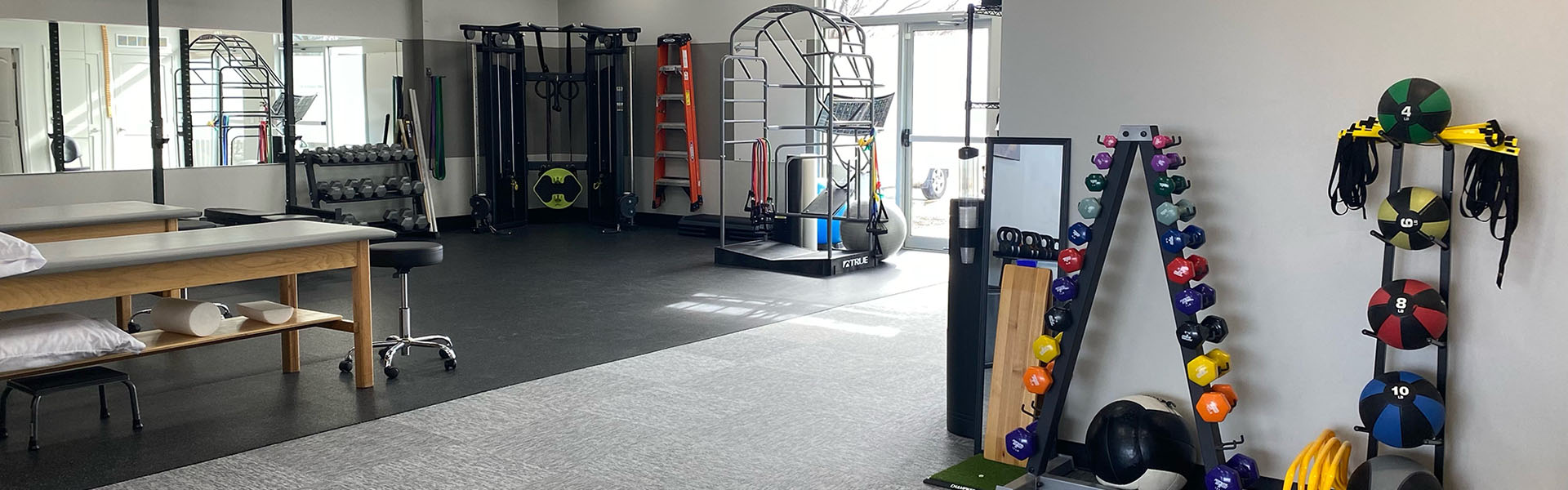
Our Patients Get Great Results
“I had the pleasure of working with Amy and she was absolutely wonderful. She consistently made me feel comfortable and supported throughout the process. She took the time to truly listen to me during each visit and adjusted my exercises as needed. Her dedication to my care was evident and I’m very grateful for her guidance. I would highly recommend Amy to anyone needing physical therapy.”
— Merima B.


What Soft Tissue Injuries Can Benefit from Laser Therapy?
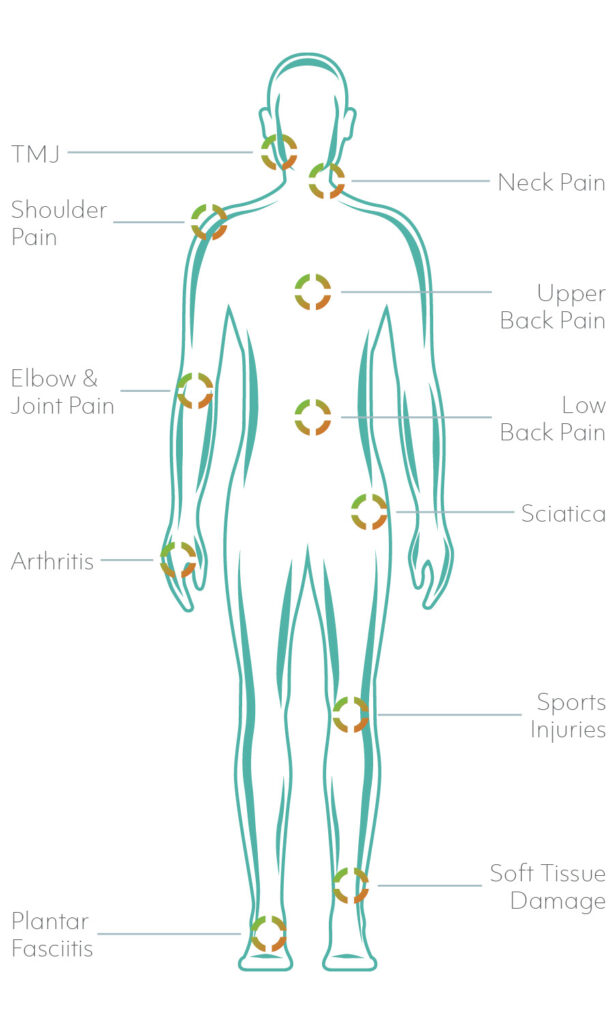
Our Lightforce laser plays a vital role in addressing a wide range of different conditions. However, we want to spotlight a specific type of injury that can benefit immensely from deep tissue laser therapy: soft tissue injuries.
Soft tissue injuries affect the muscles, ligaments, and tendons. They can range from relatively mild overuse injuries to severe sports injuries, and physical therapy plays an important role in managing them. Laser therapy is a key piece of that management, helping to reduce pain and inflammation as you work through your rehabilitation.
Five Soft Tissue Injuries We Treat with Laser Therapy
1. Tendinitis
- Tendinitis occurs when tendons, which connect muscles to bones, become inflamed due to repetitive movements or overuse. Common areas affected include the shoulder, elbow, and knee.
2. Muscle Strains
- Muscle strains happen when a muscle is overstretched or torn, often during sports or physical activity. Symptoms include pain, swelling, and limited movement.
3. Ligament Sprains
- Sprains occur when ligaments, the tough bands of tissue connecting bones, are stretched or torn. Common sprains involve the ankle, knee, and wrist.
4. Bursitis
- Bursitis is the inflammation of the bursae, small sacs of fluid that cushion bones, tendons, and muscles near joints. It often affects the shoulders, hips, and elbows.
5. Plantar Fasciitis
- This condition causes pain and inflammation in the plantar fascia, a thick band of tissue on the bottom of the foot.
Recently Suffered a Soft Tissue Injury?
Then schedule an appointment at Elevate Physical Therapy & Sports Medicine! We’ll create a personalized treatment plan to help address your discomfort, starting with laser therapy.

Tips for A Heart-Healthy Valentine’s Day!
This year, don’t forget the most important Valentine of all: your heart! With February being the month of love and American Heart Month, here are a few tips to combine them into one fabulous celebration:
- Try a heart-healthy treat: Pomegranate seeds, good dark chocolate, and sweet strawberries are all delicious alternatives to candy hearts.
- Take a ballroom dance class with your sweetheart: Nothing’s more romantic than a sweeping waltz or sultry tango. But ballroom dancing is also a great cardio workout — making it the perfect date night for American Heart Month!
- Sink into a relaxing bubble bath: Stress contributes to cardiovascular disease, so this month, set aside time to rest and relax with a bubble bath. Dim the lights, burn a few candles, and settle down with your favorite romantic read.
Want more healthy heart tips this February — or any month of the year? Schedule an appointment with Elevate Physical Therapy & Sports Medicine!
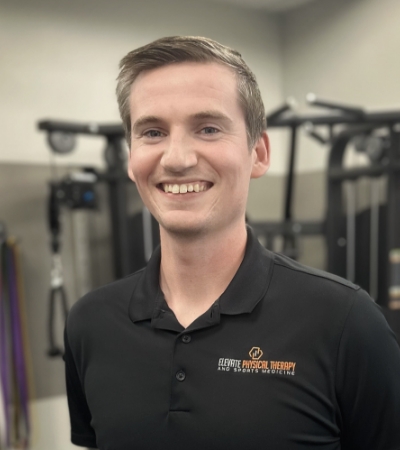
Please Welcome Ryan Ingebrand, Our Newest Physical Therapist, to the Team
Ryan Ingebrand, Physical Therapist
Ryan grew up in Johnston, IA. As a former high school basketball and soccer player, he experienced his own challenges with injuries, which sparked his passion for physical therapy. He earned his undergraduate degree at Iowa State University before completing his Doctorate of Physical Therapy at Rockhurst University in Kansas City. Ryan is dedicated to helping individuals — especially athletes — recover from injury and return to the activities they love.
Ryan’s approach to therapy is focused on individualized care and patient education, empowering clients to take an active role in their recovery. He enjoys working with people of all ages and skill levels, helping them regain strength, mobility, and confidence. Outside of work, Ryan enjoys spending time outdoors, notorious for always catching the smallest fish, and spending time with his wife Laura and daughter Nora.
Exercise of the Month
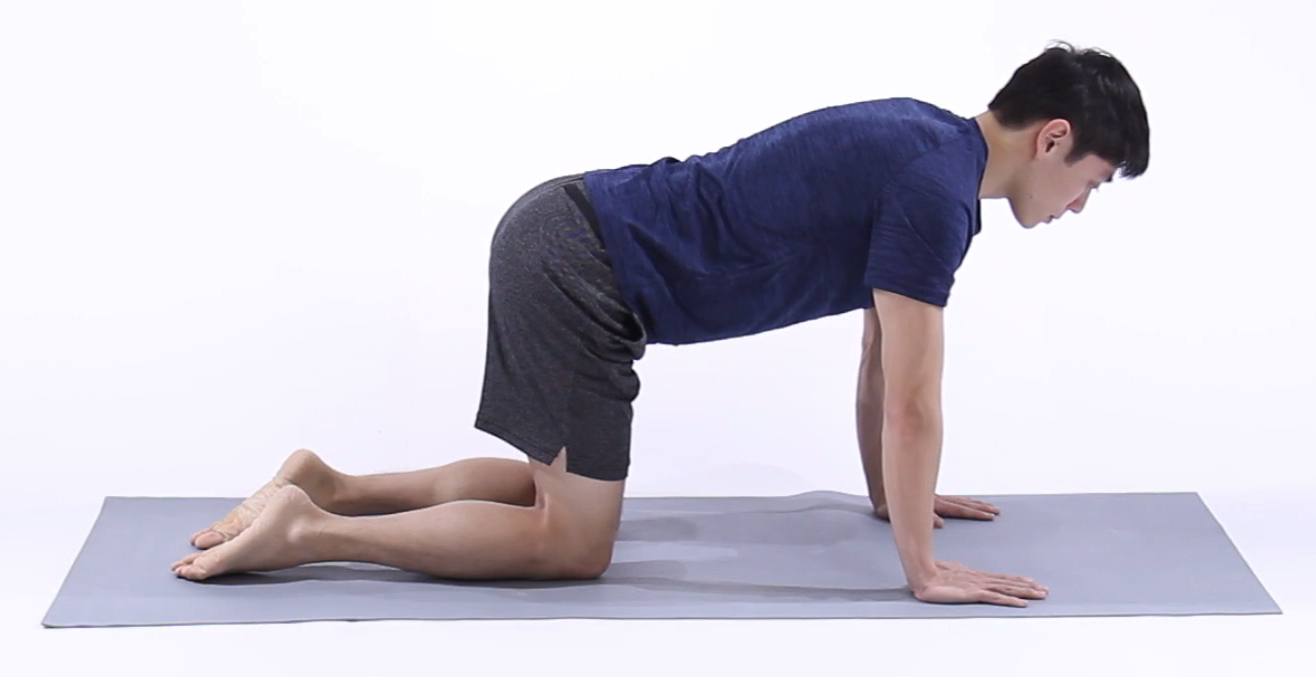
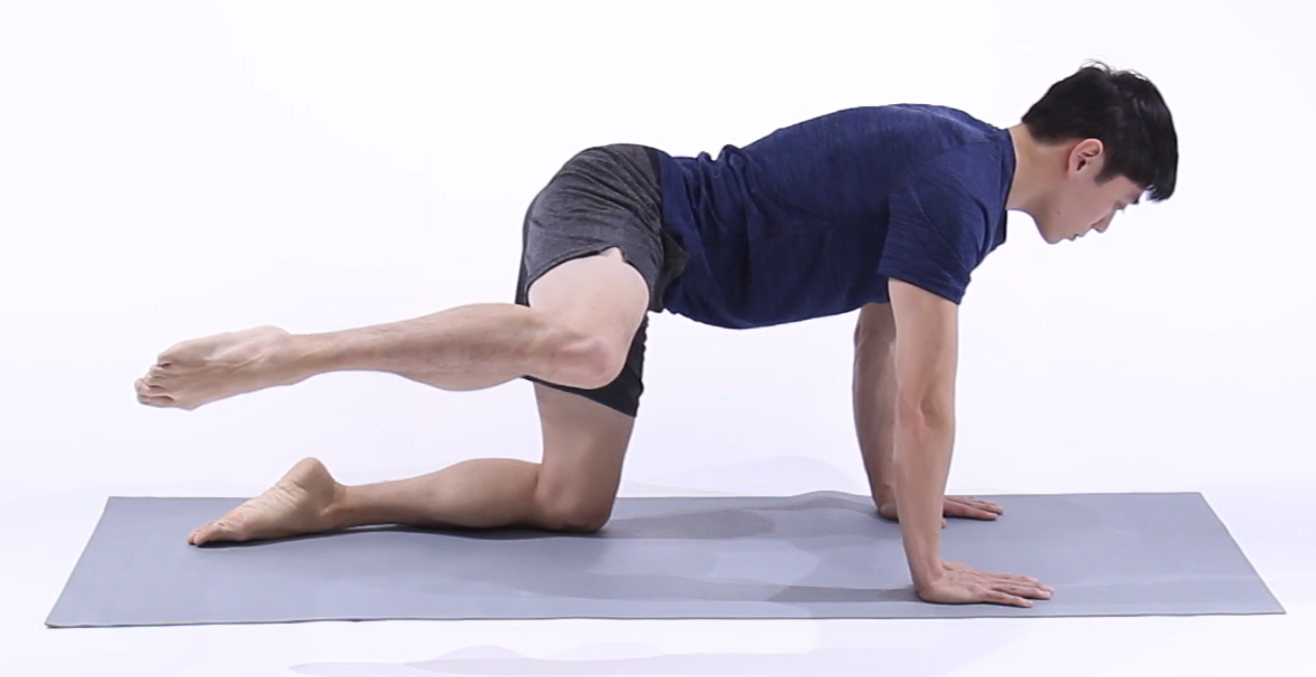
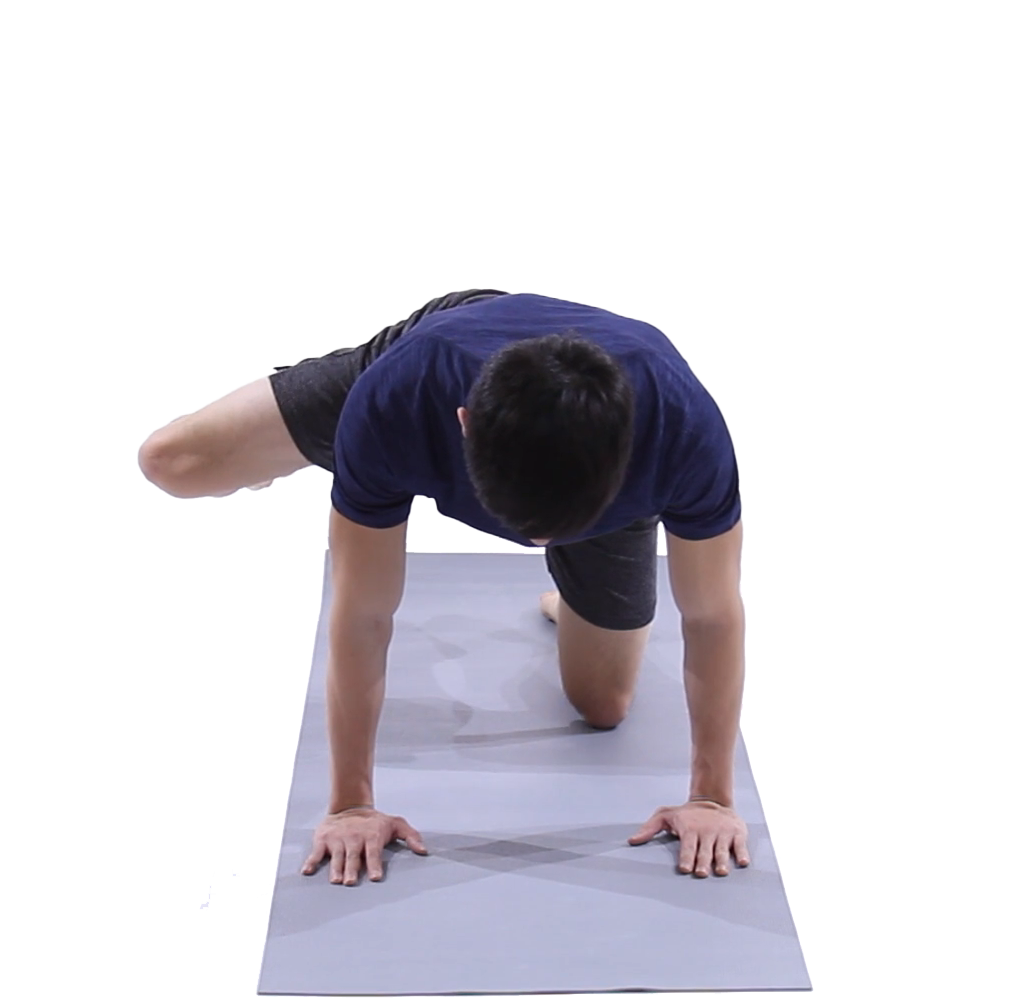
Hip Abduction (Quadruped)
Begin on all fours, with wrists directly under the shoulder and knees directly under the hips. Engage your abdominals and slowly lift one knee out to the side, keeping your knee in line with the hip. Hold as instructed, then bring your knee back down to the floor. Repeat 3 sets, 10 reps each.



Feel Better by Eating Better!
Anti-Inflammatory Ginger & Turmeric Carrot Soup
This delicious ginger and turmeric carrot soup is as comforting as it is healing. Packed with strong flavors like garlic, fennel, and ginger, and full of anti-inflammatory ingredients, this is the perfect winter soup.
Directions: Heat the olive oil in a large dutch oven or saucepan. Add the fennel, leeks, carrots, and squash. Sauté for 3-5 minutes until the veggies start to soften. Add the garlic, ginger, turmeric, salt, and pepper, and sauté for a few more minutes. Add the broth and coconut milk. Bring the mixture to a boil, cover, and simmer for 20 minutes. Once the soup is cooked, add it to a blender and blend until creamy. You could also use an immersion blender. Taste and adjust the seasonings to your taste. Serve immediately with a dollop of coconut yogurt and enjoy!
https://www.simplyquinoa.com/anti-inflammatory-ginger-turmeric-carrot-soup
Ingredients
- 1 tablespoon olive oil
- 1 leek, cleaned and sliced
- 1 cup chopped fennel bulb (1 small head)
- 3 cups chopped carrots
- 1 cup chopped butternut squash (or more carrots)
- 2 garlic cloves, minced
- 1 tablespoon grated ginger (about a 2-inch piece)
- 1 tablespoon turmeric powder
- Salt & pepper to taste
- 3 cups low-sodium vegetable broth
- 1 can lite coconut milk (14.5 ounces)
Meet Our Team
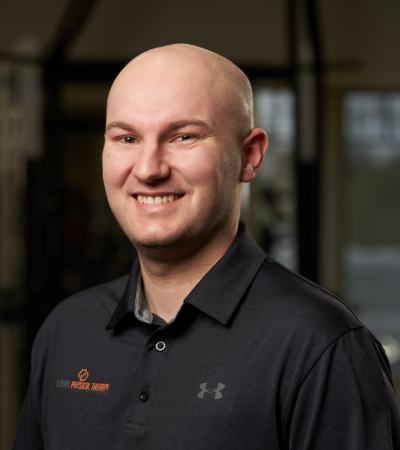
Joe Stangl
Clinic Director, Physical Therapist
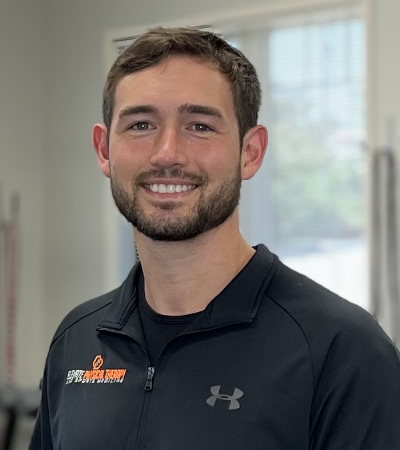
Dyllan Frahm
Physical Therapist
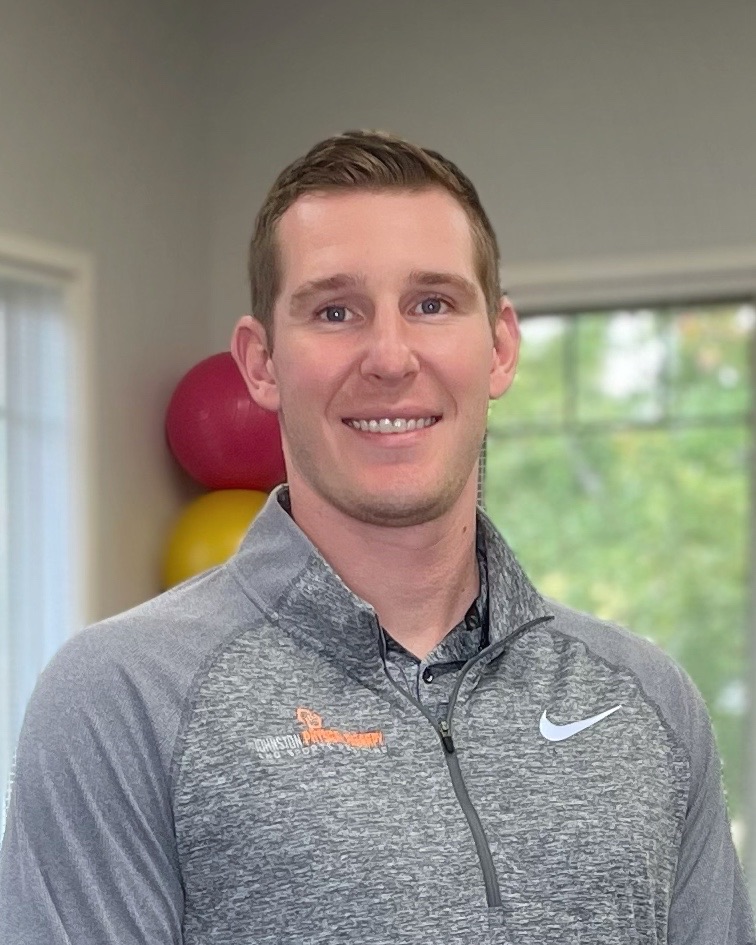
Colton Schnetzer
Physical Therapist
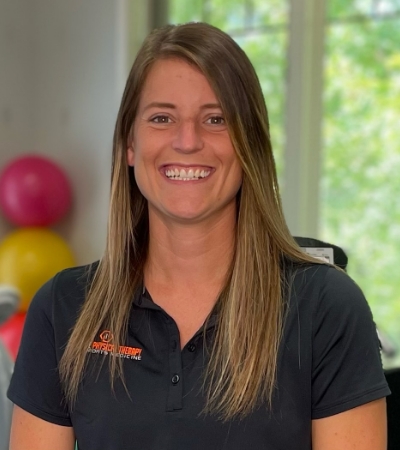
Samantha Sullivan
Physical Therapist
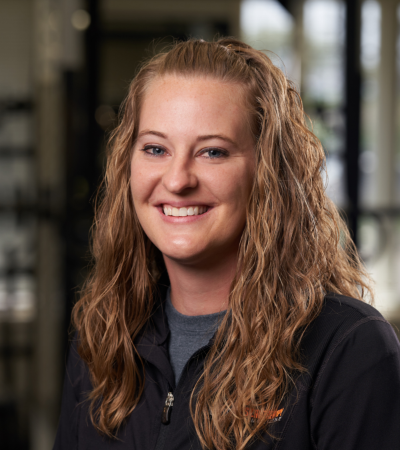
Tamie Drees
Physical Therapist

Lauren Rowedder
Billing Specialist
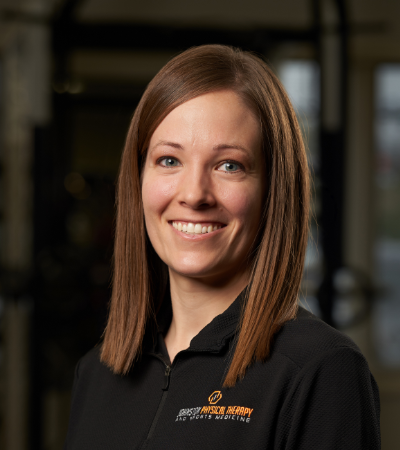
Bekah Wetter
Physical Therapist

Amy Entrekin
Physical Therapist
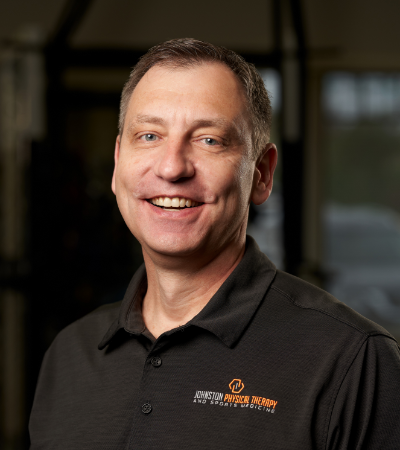
Andrew Bartek
Owner and Physical Therapist
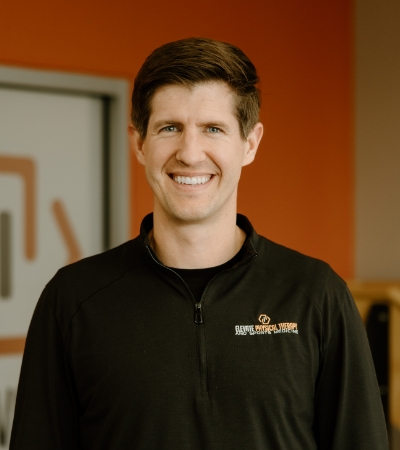
Grant Jacobson
Owner and Physical Therapist

Cindy Bartek
Owner, Director of Marketing and Public Relations