



Helping You Understand Common Pelvic Floor Disorders
Pelvic floor disorders affect millions of people, yet many hesitate to talk about them. And we get it! These disorders often involve personal or sensitive symptoms that can be difficult to discuss. However, hope is available, and physical therapy actually plays a significant role in helping you find lasting relief.
Why? Because these issues often stem from problems with the muscles, ligaments, and other soft tissues that make up your pelvic floor. So just as the Elevate Physical Therapy & Sports Medicine team helps with other musculoskeletal complaints, we can also help with pelvic floor complaints, too.
Today, we’re exploring four of the most common pelvic floor disorders we see at our clinic and how we can help.
Urinary Incontinence
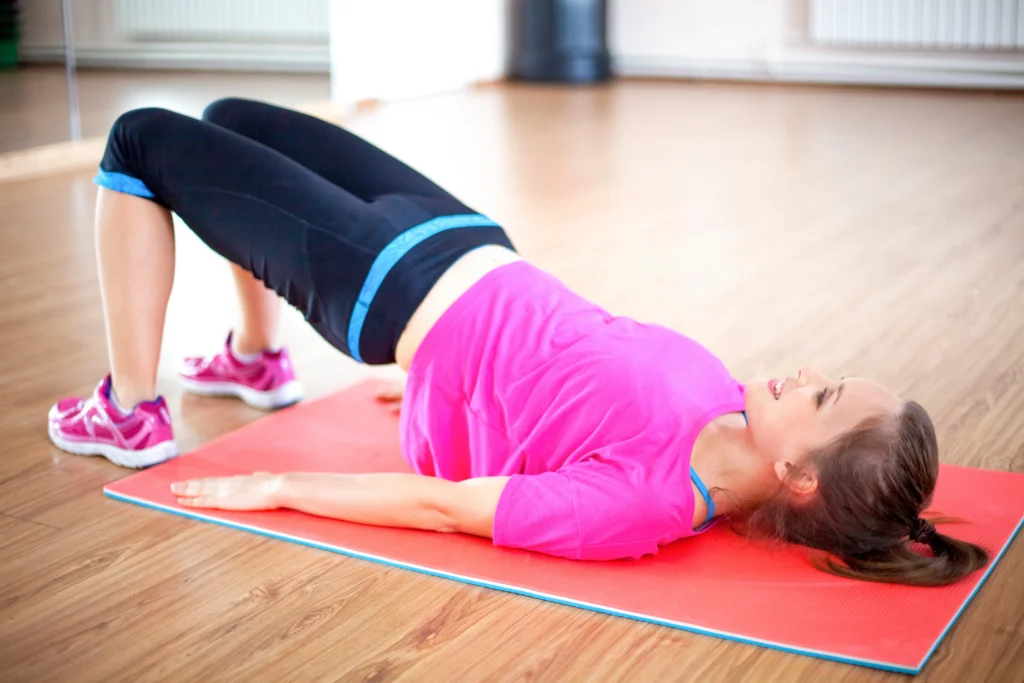
Urinary incontinence means losing control of your bladder, although this can manifest in different ways. Most commonly, we see the following:
- Stress incontinence, which causes leakage when coughing, laughing, or exercising
- Urge incontinence, which causes a sudden, urgent need to urinate.
Both types of incontinence can develop when the pelvic floor muscles or nerves aren’t working properly or when the tissues supporting the bladder and urethra become weak.
How We Help
- Pelvic Floor Muscle Training: Learning to contract and relax the muscles correctly can help restore strength and coordination.
- Bladder Retraining: We’ll help train you to go longer between bathroom breaks, helping to gradually reduce urgency and frequency.
- Education on Lifestyle Factors: We’ll address fluid intake, bowel habits, and activities that may worsen leakage.
Pelvic Organ Prolapse
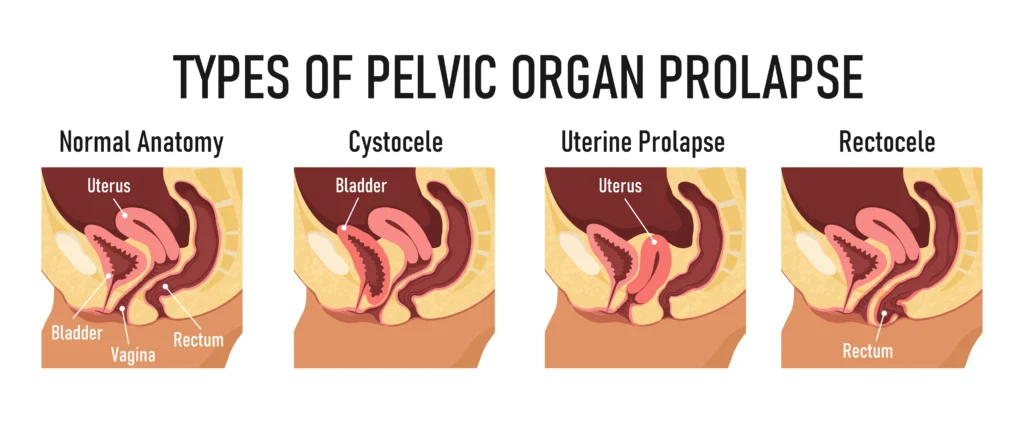
Pelvic organ prolapse occurs when the bladder, uterus, or rectum drops from its usual position, pushing into the vaginal canal (in women) or anus (men) and causing a sense of pressure, heaviness, or bulging tissues. It often happens in women after pregnancy or childbirth. However, it can also be an effect of aging for both men and women.
How We Help
While severe cases may require surgery, therapy is often effective for mild to moderate prolapse. Interventions include:
- Pelvic Floor Strengthening: Targeted strengthening and coordination exercises to reduce the strain on pelvic tissues and better support the pelvic organs.
- Breathing and Posture Techniques: You’ll learn to coordinate the diaphragm, core, and pelvic muscles to reduce downward pressure on the pelvic floor.
- Activity Modification: We’ll guide you through safe ways to lift, exercise, and move without worsening symptoms.
Pelvic Pain Syndromes
Pelvic pain syndromes involve chronic pain in the pelvic area. They can develop for a number of reasons, including:
- Muscle tension
- Nerve irritation
- Scar tissue from surgery or injury
- Inflammation in the prostate (in men)
- Pain from endometriosis or other gynecological conditions (in women)
How We Help
- Manual Therapy: These gentle external soft tissue techniques can release tight muscles and improve blood flow.
- Relaxation Training: Deep breathing and other relaxation strategies can decrease pelvic floor overactivity.
- Graded Movement Exercises: We’ll work with you to slowly increase mobility and tolerance for activities that once triggered pain.
- Neuromuscular Re-education: Retraining muscles to work together in a way that reduces pain.
Pregnancy & Postpartum Concerns
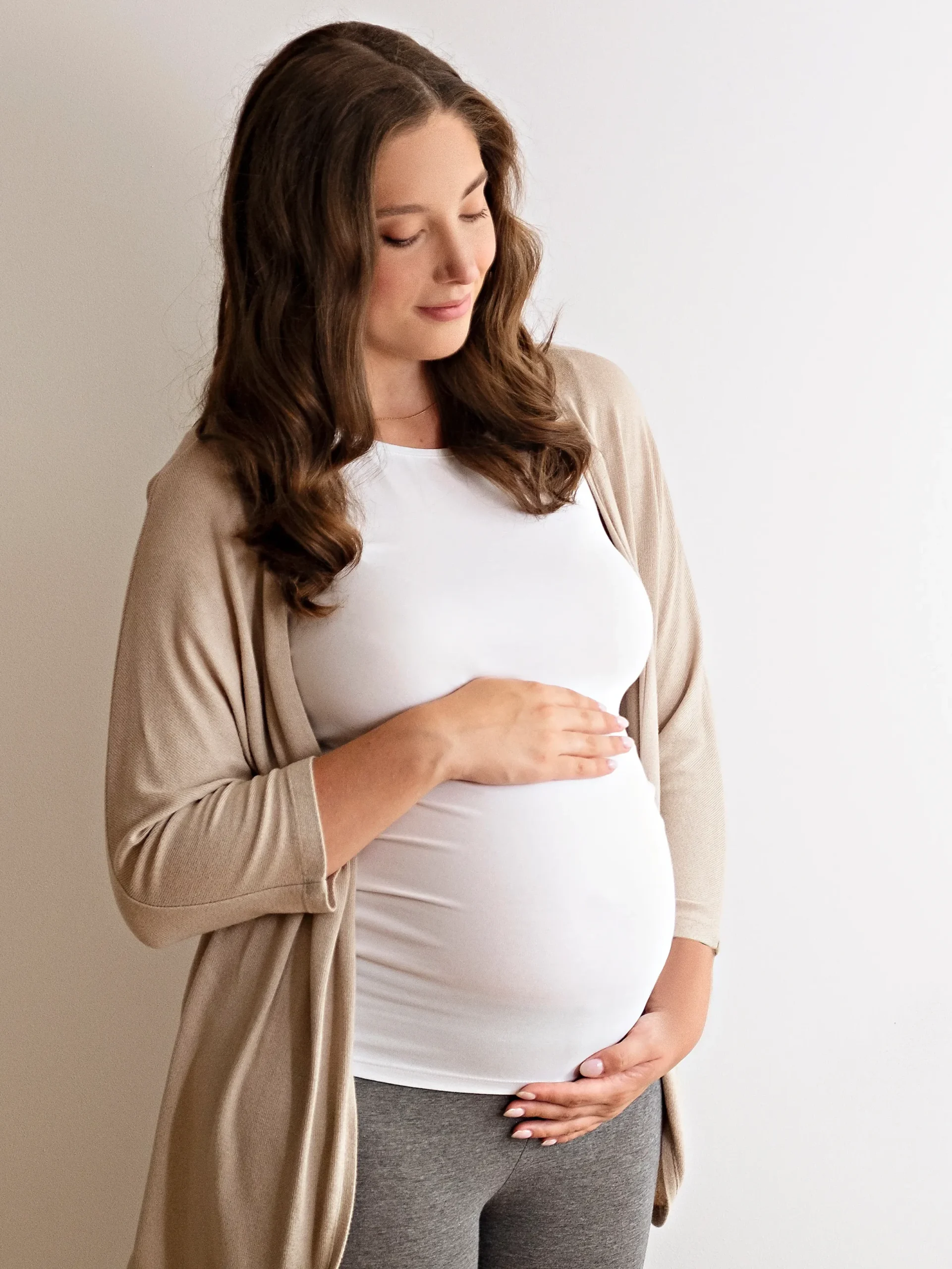
Pregnancy and childbirth put significant stress on the pelvic floor. Many women experience a range of pelvic floor issues, including incontinence, pelvic pain, and diastasis recti, a separation of abdominal muscles that affects core and pelvic stability.
How We Help
- Safe Prenatal Exercises: We’ll show you gentle routines to maintain strength and prepare for delivery.
- Postpartum Recovery Plans: We’ll also provide you with strategies to restore pelvic floor and core function after childbirth.
- Scar Tissue Management: Several manual therapy techniques can help manage C-section or episiotomy scar discomfort, or scarring from a perineal tear.
- Lifestyle Tips: We provide guidance on lifting, breastfeeding positions, and caring for your body while recovering.
Why Physical Therapy Matters for Enhanced Pelvic Floor Health
As challenging as pelvic floor disorders can be, they are treatable! The team at Elevate Physical Therapy & Sports Medicine offers a safe, non-invasive approach that focuses on restoring strength, mobility, and coordination to the pelvic floor muscles. With the right treatment plan, many people experience major improvements in their overall quality of life. If you’re struggling with any of these issues, you don’t have to live with them. Schedule an appointment at our clinic today to get started.
Our Patients Get Great Results
“Elevate is an absolutely amazing physical therapy place! From the very first session, they made me feel comfortable, heard, and supported. Their knowledge, professionalism, and genuine care for their patients truly set them apart. I primarily worked with Ryan, who took the time to understand my specific needs and created a personalized treatment plan that really worked. I have also worked with Anna, Krista, and Grant, and they have all been phenomenal as well. I’ve made incredible progress thanks to their guidance, and I always look forward to our sessions. The environment is very welcoming, including Kelly and Jake at the front desk. I highly recommend Elevate Physical Therapy to anyone looking for a dedicated and compassionate physical therapist.They listen. They coach. They make you feel important and confident that improvement is coming. They educate you on how to feel better and help sustain that healing. Shout out to Tamie for her expertise and great personality. I highly recommend Elevate!” – S.P.
The Emotional Impact of Pelvic Floor Disorders
Why Mental Health Support Matters, Too
Pelvic floor disorders can affect more than just your body. The nature of their symptoms means they can bring feelings of embarrassment, isolation, and frustration. Many people might avoid activities or social gatherings if symptoms are severe enough. This can result in heightened stress and anxiety, which makes getting the care you need even more challenging.
Don’t Ignore Your Mental Health
At Elevate Physical Therapy & Sports Medicine, we understand that addressing mental health is just as essential as addressing physical symptoms when it comes to pelvic dysfunction. Here’s why:
- Emotional distress worsens symptoms: Stress and anxiety can increase muscle tension, making pain or incontinence more noticeable.
- Isolation makes recovery harder: Avoiding social situations can delay healing by reducing motivation for therapy and movement.
- Unspoken struggles take a toll: Many people hesitate to share their symptoms, which can compound feelings of shame.
Three PT Tips For Enhancing Mental Health when Dealing with Pelvic Dysfunction
- Pain management can help you feel physically and mentally better. We offer several drug-free techniques to reduce your acute discomfort and find long-term relief.
- Exercise is important for mental health, too. For pelvic floor discomfort specifically, strengthening and relaxing your pelvic floor muscles can reduce symptoms and help you relax overall.
- Learning how your pelvic floor works and how it’s contributing to your pain can make your symptoms feel less overwhelming. The more you know about your condition, the better you can replace fear with confidence.
We Are Here To Help
At Elevate Physical Therapy & Sports Medicine, we suggest you combine emotional support with physical therapy to create a comprehensive approach to your care. You deserve care for your body and peace of mind. Contact us today to learn more about how we can help.
Reset, Refocus, Recharge: Your September Self-Care Guide
As summer winds down, September’s crisp weather offers the perfect chance to slow down and engage in self-care. Along with your pumpkin-spiced lattes and cozy sweaters, the Elevate Physical Therapy & Sports Medicine team suggests incorporating some activities to support your pelvic health.
Five Tips to Help You Reset and Feel Your Best This Fall
1. Rebuild Your Core with Purposeful Movement
- Add brisk walks, light Pilates, or yoga sessions to your weekly routine. All three are some of the best ways to build core strength and stability.
- Focus on controlled breathing and alignment during your session to engage deep pelvic muscles without straining.
2. Practice 5-Minute Pelvic Floor Check-Ins
- Sit comfortably and take five slow breaths, gently engaging your pelvic muscles. Even short, focused sessions can build awareness and control.
- Not sure you’re doing this correctly? Our team can give you some pointers.
3. Stay Regular with Warm Fall Foods
- Constipation can strain the pelvic floor, so enjoy seasonal favorites like roasted root vegetables, pears, and oats.
- Drink plenty of water and stay consistent with meals.
4. Improve Your Posture While You Cozy Up
- Fall might be a great time of year to get comfy on the couch, but too much slouching can affect your pelvic floor muscles.
- Use pillows for support while reading or watching TV. Sitting with feet flat and hips level also helps relieve pressure on the pelvic floor.
5. Address Discomfort, Don’t Ignore It
- Don’t let pelvic pressure, pain, or bladder issues ruin your fall! The Elevate Physical Therapy & Sports Medicine team is here to help you address the underlying cause so you can have a great season.
This September, take care of the muscles that support your every move. Schedule an appointment at Elevate Physical Therapy & Sports Medicine to learn more about how we can help.
Meet Our Team
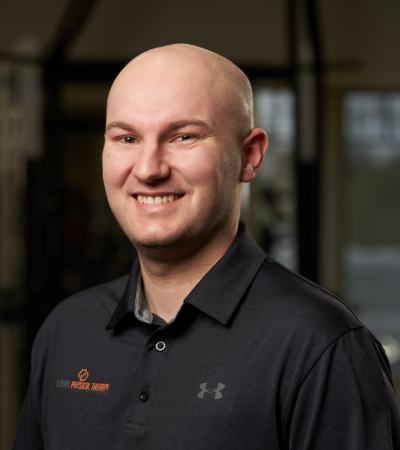
Joe Stangl
Clinic Director, Physical Therapist

Dyllan Frahm
Physical Therapist

Colton Schnetzer
Physical Therapist

Samantha Sullivan
Physical Therapist
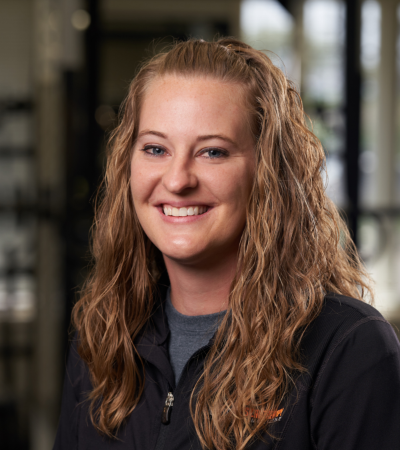
Tamie Drees
Physical Therapist

Lauren Rowedder
Billing Specialist
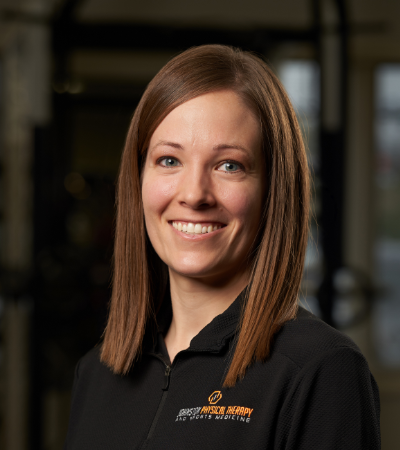
Bekah Wetter
Physical Therapist

Amy Entrekin
Physical Therapist
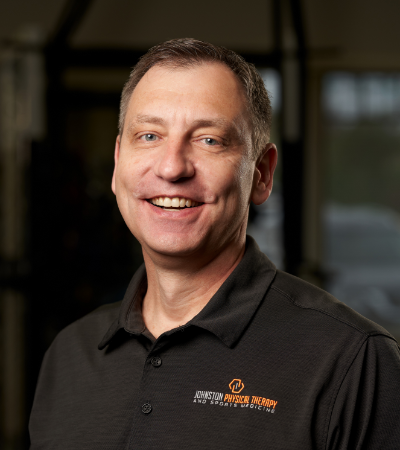
Andrew Bartek
Owner and Physical Therapist

Grant Jacobson
Owner and Physical Therapist

Cindy Bartek
Owner, Director of Marketing and Public Relations

Justin Carlyle
Physical Therapist

Ryan Ingebrand
Physical Therapist


Krista Hansen
Physical Therapist
Recipe of the Month: Sweet & Sour Tofu

Ingredients:
- 14 oz. extra-firm tofu
- 1 small red onion
- 1 green bell pepper
- 1 red bell pepper
- 1 (1″) piece ginger, peeled
- 2 garlic cloves, peeled
- 1/2 cup canned pineapple chunks, plus 1/3 cup pineapple juice, divided
- 1/3 cup low-sodium vegetable broth
- 3 Tbsp. unseasoned rice vinegar
- 2 Tbsp. reduced-sodium soy sauce or tamari
- 1 Tbsp. ketchup
- 1 Tbsp. light brown sugar
- 1 Tbsp. plus 1/3 cup cornstarch, divided
- 4 Tbsp. neutral oil, divided
- Kosher salt
- Steamed white rice, for serving
- Sesame seeds, for serving (optional)
Instructions:
- Place 3 layers of paper towels or a clean kitchen towel on a plate. Place tofu on towels and cover with another 3 layers of towels or another clean kitchen towel. Place a heavy can or skillet on top of tofu to press moisture out, pouring off excess water and replacing towels as they get soaked, 30 to 45 minutes (you can do this with a tofu press if you have one).
- Meanwhile, arrange a rack in center of oven; preheat to 425°. Cut onion and bell peppers into 1″ pieces. Into a medium bowl or large measuring cup, grate ginger and garlic. Add pineapple juice, broth, vinegar, soy sauce, ketchup, brown sugar, and 1 Tbsp. cornstarch and stir to combine.
- Break or cut tofu into rough 1″ pieces or cubes and transfer to a large bowl; season with 1 tsp. salt. Drizzle with 1 Tbsp. oil and gently toss tofu to coat. Sprinkle with remaining 1/3 cup cornstarch and gently toss until tofu is coated. Arrange on a parchment-lined baking sheet and drizzle with 2 Tbsp. oil.
- Bake tofu, turning halfway through, until light brown and crisp, 25 to 30 minutes.
- When tofu has about 12 minutes remaining, in a large skillet or wok over medium-high heat, heat remaining 1 Tbsp. oil. Add onion and bell peppers; season with salt, then toss to coat vegetables with oil. Cook, stirring frequently, until vegetables start to soften and blister on the surface, 4 to 5 minutes. Transfer vegetables to a plate.
- Reduce heat to medium. Whisk sauce to reincorporate cornstarch and pour into skillet. Bring to a simmer and cook, stirring occasionally, until slightly thickened, about 4 minutes. Add vegetables, tofu, and pineapple chunks to skillet and toss to coat in sauce.
- Divide rice among bowls. Spoon tofu mixture over. Top with sesame seeds (if using).