



How Strength Training
Can Improve Your Health
In the past, many people associated strength training with oiled-up, musclebound bodybuilders — and, as such, decided strength training wasn’t the workout for them. But that idea couldn’t be farther from the truth!
In a way, we get it. Strength training can be incredibly intimidating if you’re coming at it cold: you have to grapple with unfamiliar equipment, uncertainty about proper lifting techniques, and confusion about which exercises to perform. But once you find your footing, strength training is one of the best things you can do for your overall health and wellness.
At Elevate Physical Therapy & Sports Medicine, we want to help make strength training accessible to all, regardless of age, health history, or ability level. To help you see the many benefits of strength training, we thought we’d share the stories of two patients: Alisha and Michelle.
Both of these patients are ordinary women in their late 50s. Neither were hardcore athletes, but both discovered the health benefits of strength training.

Alisha: A New Hobby in Middle Age
Alisha first came to see us after she injured her back while working in the garden. Like most older people, Alisha’s muscle mass had been steadily decreasing, and the resulting weakness had ultimately led to her injury.
We provided her with a customized treatment plan, including dedicated strength training focused on Alisha’s core and back. She was surprised by how much she enjoyed the exercises, including how great she felt after completing them.
As her rehabilitation neared completion, Alisha asked her physical therapist for more information about strength training. She had heard it was an important piece of osteoporosis prevention, something that had been in the back of her mind since the condition ran in her family.
We were more than happy to help Alisha out. Her therapist helped her develop a general strength training program using barbells and dumbbells. He walked her through each exercise, assessed her lifting form, and guided her on gradually increasing intensity.
The result? Alisha found a new hobby. She became an avid weightlifter, hitting the gym three times a week. Even better, she restored some of her lost muscle mass, and her garden activities became easier over time.
Michelle: A Resistance to Resistance Training
Michelle had developed osteoarthritis in her hips in her mid-50s. Although the pain wasn’t severe, she did find herself becoming less active than she’d prefer. Eventually, she contacted us for help managing and slowing her condition.
Regular exercise is one of the best ways to manage osteoarthritis pain, but Michelle was nervous about doing anything too strenuous — including strength training. She was especially wary of anything involving heavy weights.
However, strength training is an important piece of osteoarthritis management. Strong muscles stabilize and support the impacted joints, helping to relieve pressure (and symptoms).
Michelle’s physical therapist was sympathetic to her concerns, especially since low-impact exercises are generally better for people with osteoarthritis. To that end, she suggested Michelle start with a daily walking regimen, which would help get her used to physical activity while still building some muscle strength and endurance.
After a few weeks, Michelle’s therapists started her on simple bodyweight exercises that wouldn’t put too much pressure on her knee joints. They weren’t as difficult or painful as Michelle feared, and she eventually decided she wanted to add a little more resistance after all.
But she didn’t go all in with heavy barbells, as Alisha had. Instead, Michelle used a blend of resistance bands and light dumbbells. Her therapist provided the necessary guidance — and before Michelle knew it, she was performing strength training routines twice a week.
The result? Less pain and stiffness from Michelle’s arthritis meant more mobility and an easier time running errands, doing chores, and spending time with her loved ones.
PT Spotlight: Fall Race Highlights
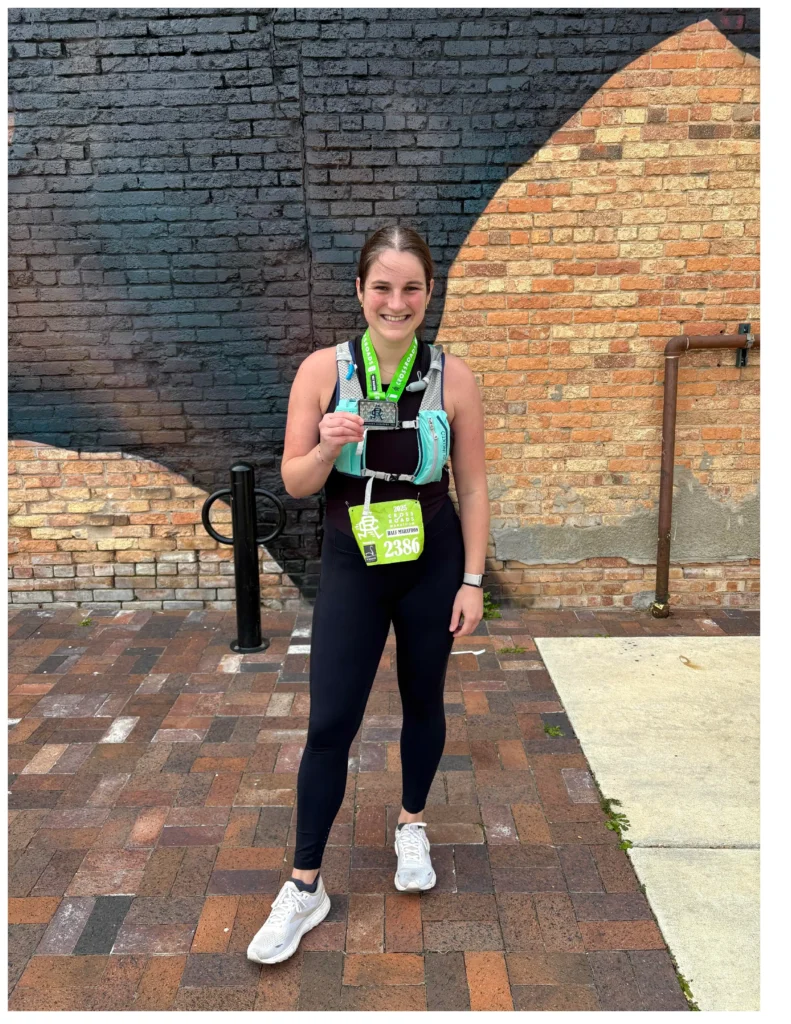
This fall, several of our physical therapists laced up their running shoes and took on races across the Midwest. From half marathons to a first full marathon, here’s a look at their accomplishments and experiences:
🏃♂️ Dyllan Frahm
Dyllan ran the IMT Half Marathon, his second race of the year.
“This one was more casual for me so I could really focus on the experience itself and reinvigorate my love of running and racing.”
🏃♀️ Anna Parr – Ankeny
Anna raced on November 8th in Salina, Kansas, joining a friend who is completing a race in all 50 states.
“Each fall I travel with her to a state she needs to check off her list—this year was Kansas! It was 30 mph headwinds and very hilly, but fun nonetheless!”
🏃♂️ Colton Schnetzer – Johnston
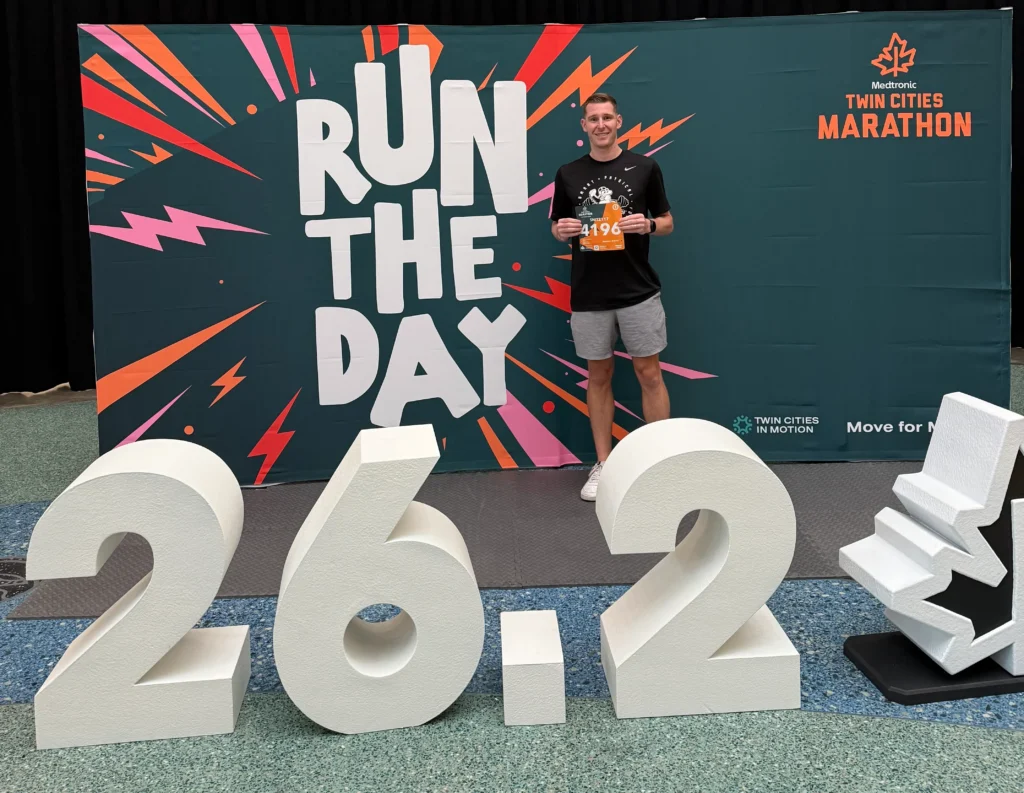
Colton competed in the Medtronic Twin Cities Marathon on October 5th.
This marked his first marathon, finishing strong with a time of 3:20.
We’re proud of our PTs for pushing themselves both inside and outside the clinic—great work, team!

Happy Holidays!
Our team and their significant others came together Saturday night to celebrate the holiday season. We enjoyed fun games, delicious food, and lots of laughter. It’s wonderful to pause and appreciate everyone who is part of this journey. Wishing everyone a joyful holiday season!



Sarcopenia: A Quick Dive
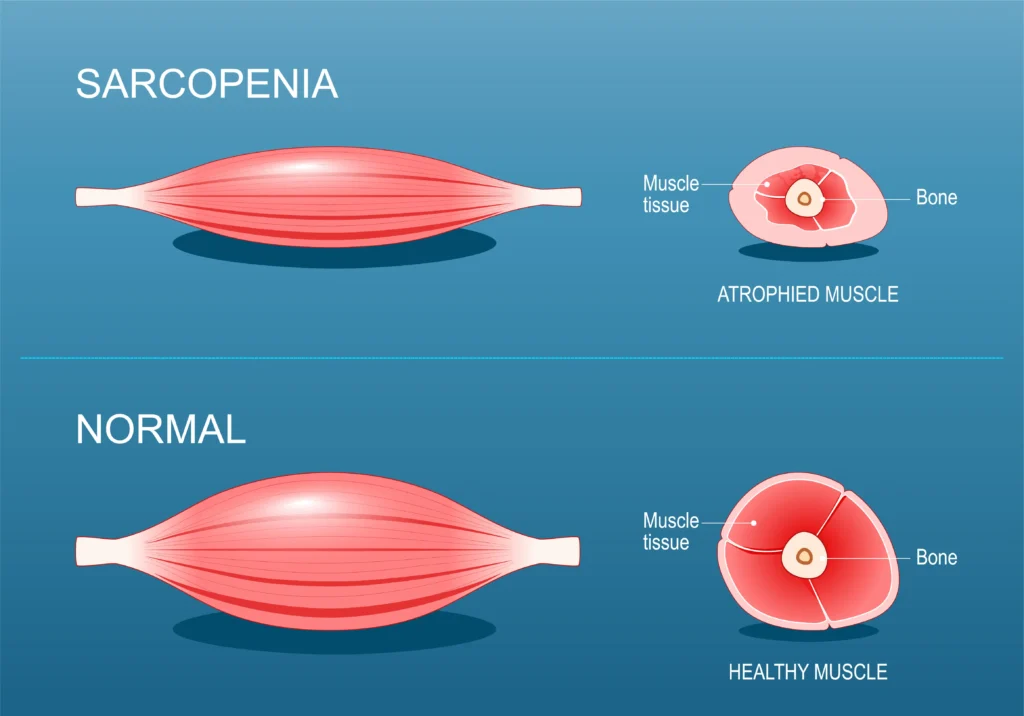
There’s no denying that aging causes a host of physical and mental changes. One of the more significant of these is a decrease in muscle mass. For most people, it begins in their 30s and 40s, then jumps into high gear in their 60s. Age-related muscle mass loss happens to everyone to some extent. However, some people suffer loss of muscle mass, strength, and endurance to such a degree that it severely compromises their ability to be physically active. This condition is known as sarcopenia.
Symptoms, Causes, and Effects
Sarcopenia primarily stems from the effects of aging and, as such, primarily affects people 60 years or older. Certain risk factors can make it more likely that you develop sarcopenia, including the following:
- A sedentary lifestyle
- Chronic diseases, including diabetes and kidney disease
- Inadequate protein
- A decline in certain bodily functions related to building muscle
People with sarcopenia lose their muscle mass more quickly than those who don’t, which leads to muscular weakness and overall frailty. This, in turn, can negatively affect your quality of life. You may…
- Lose stamina more quickly
- Have difficulty with mobility, including walking or climbing stairs
- Have poor balance and be more likely to fall
- Find daily activities more difficult
How Elevate Physical Therapy & Sports Medicine Helps with Sarcopenia
The good news is that you can manage sarcopenia with a few simple lifestyle changes, namely regular physical activity and improved nutrition. These factors can also help prevent sarcopenia or delay its progression. However, remember that some muscle mass loss is just part of getting older.
What’s not an inevitable part of aging, however, is losing mobility and independence. Our physical therapists can help keep you active well into old age!
Service Spotlight:
Blood Flow Restriction Training
Blood Flow Restriction (BFR) Training is an innovative rehabilitation technique that helps patients build strength, reduce pain, and recover faster using low-load exercise. BFR involves placing a specialized cuff around the arm or leg to safely reduce blood flow while performing controlled movements. This process allows patients to experience the benefits of high-intensity training while using significantly lighter weights, making it ideal for individuals recovering from injury, surgery, or chronic pain conditions.
At Elevate Physical Therapy and Sports Medicine, BFR is often recommended for patients dealing with common issues such as knee pain, hip pain, sports injuries, chronic pain, and post-surgical recovery. Because the technique stimulates muscle growth and strength without placing excessive strain on healing tissues, it is especially effective for patients who cannot tolerate heavy resistance or traditional strengthening programs. Research shows that BFR can improve muscle size, increase endurance, enhance bone density, and accelerate overall recovery timelines.
Our trained clinicians use medical-grade equipment to ensure safe and personalized application of BFR. Each session is tailored to your tolerance, injury history, and strength goals. Many patients report noticing improvements in strength and mobility within only a few sessions, making BFR a powerful addition to traditional physical therapy.
Whether you are an athlete working to return to peak performance or someone rebuilding strength after surgery, BFR can help you progress more efficiently. If you are curious about whether Blood Flow Restriction Training is right for you, our Johnston and Ankeny teams are here to guide you through every step of the process and help you move with confidence again.
How Will Strength Training Benefit You?
Good health means different things to different people. At Elevate Physical Therapy & Sports Medicine, we focus on improving your overall function so you can do the things in your life that matter most. Whether you want to kickstart an intense strength training program (like Alisha) or simply ensure you’re meeting the CDC’s recommendation of 2 days of muscle strength work a week (like Michelle), we’ve got you covered.
Call us today to get started on your strength training journey!

Our Patients Get Great Results
“I can’t say enough great things about Justin and the entire team at Elevate Physical Therapy. From day one, they’ve been incredibly knowledgeable, patient, and genuinely invested in my recovery. Every session was personalized to my needs, and they explained each step clearly so I always understood what we were working on. The clinic is clean, welcoming, and runs efficiently. I highly recommend Elevate to anyone looking!” – D.M.

Meet Our Team
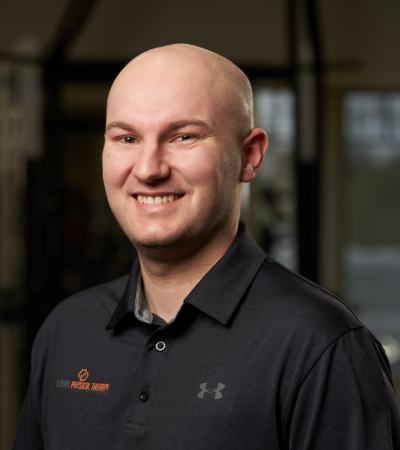
Joe Stangl
Clinic Director, Physical Therapist
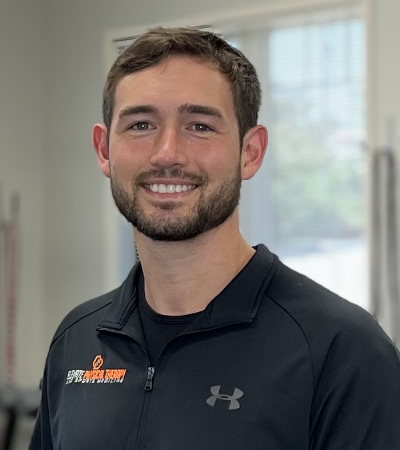
Dyllan Frahm
Physical Therapist
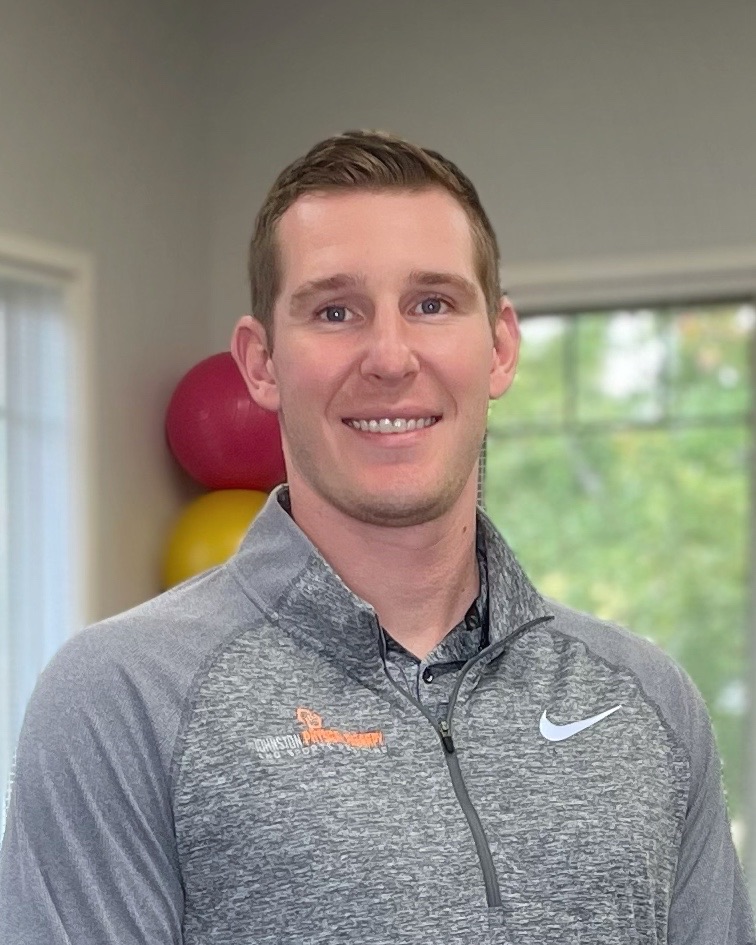
Colton Schnetzer
Physical Therapist
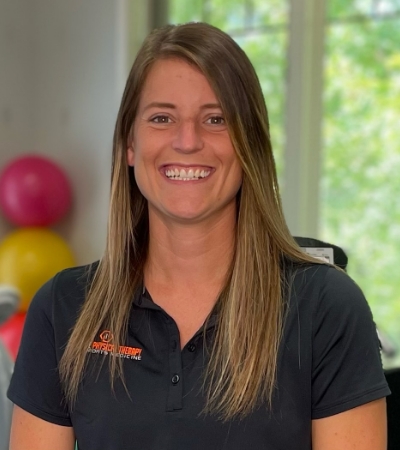
Samantha Sullivan
Physical Therapist
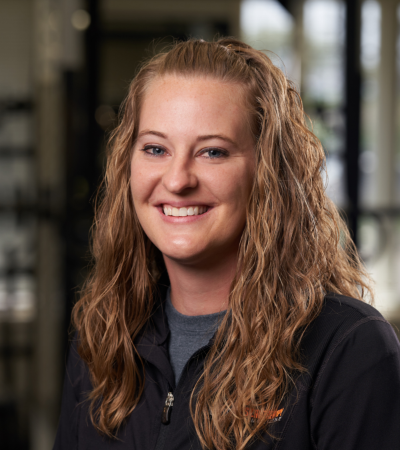
Tamie Drees
Physical Therapist

Lauren Rowedder
Billing Specialist
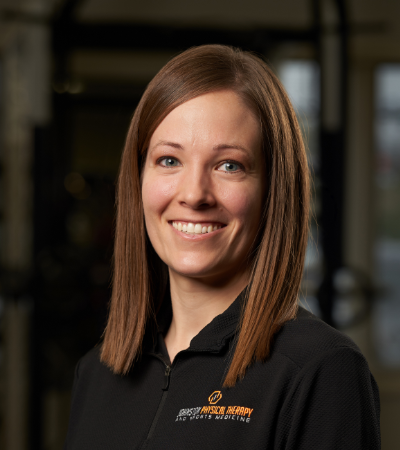
Bekah Wetter
Physical Therapist

Amy Entrekin
Physical Therapist
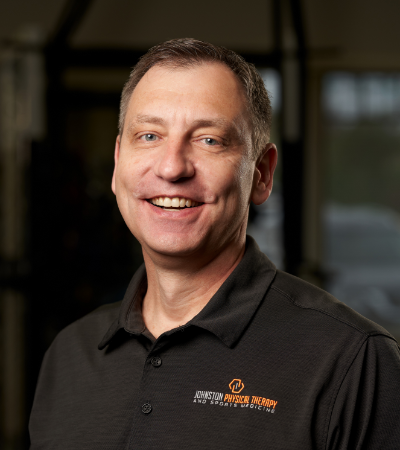
Andrew Bartek
Owner and Physical Therapist
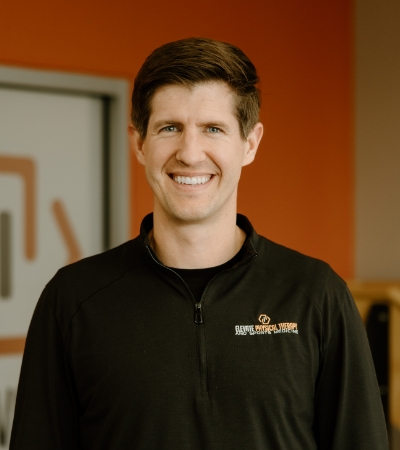
Grant Jacobson
Owner and Physical Therapist
Cindy Bartek
Owner, Director of Marketing and Public Relations

Justin Carlyle
Physical Therapist

Ryan Ingebrand
Physical Therapist

Krista Hansen
Physical Therapist
Recipe of the Month: Immunity Soup

Ingredients:
- 1 tablespoon extra virgin olive oil
- 1 medium onion, quartered and thinly sliced
- 3 celery stalks, thinly sliced
- 1 medium carrot, thinly sliced
- 8 medium garlic cloves, very thinly sliced
- 2 tablespoons grated ginger, peeled
- 3/4 teaspoon finely ground white pepper, plus more to taste
- 1 1/2 cups mushrooms, trimmed
- 8 ounces firm tofu, sliced into thin slabs
- 2 1/2 teaspoons fine grain sea salt
- to serve: lots of chopped green onions, sliced watermelon radish, and/or pea shoots
Instructions:
- Heat the oil in a large soup pot over medium heat, and stir in the onion, celery, carrot, garlic, and ginger. Gently sauté just until soft, you don’t want any browning. Add a small splash of water if the pan dries out in the process.
- Stir in the white pepper and 10 cups of water. Dial up the heat to bring the broth to a simmer, and hold there for about 15 minutes. Add the mushrooms, tofu, and salt, and gently simmer for another 5 minutes. Stir well, taste, and adjust with more salt or water if needed.
- Ladle the soup into shallow soup bowls and top with lots of green onions, pea shoots, and a few watermelon radish slices. Add a finishing drizzle of olive oil, and enjoy!
Sources
- https://www.101cookbooks.com/immunity-soup
- https://www.cdc.gov/physicalactivity/basics/adults/index.htm,
- https://onlinelibrary.wiley.com/doi/abs/10.1002/ejp.1796,
- https://www.ncbi.nlm.nih.gov/pmc/articles/PMC9339797/
- https://www.ncbi.nlm.nih.gov/books/NBK560813/,
- https://www.physio-pedia.com/Sarcopenia