



Is Back Pain Interfering With Your Everyday Life?
Here’s How One of Our Patients Got Back to the Things He Loved the Most
The chances are very good that you’ll experience back pain at some point in your life. You might lift a piece of furniture that’s a little too heavy for you. You might develop pain from prolonged sitting. Or you might just notice a “random” back pain that likely stems from repetitive or awkward movements.
No matter the source of your back pain, treatment at Elevate Physical Therapy & Sports Medicine can help you find relief. We know that when you’re in the throes of debilitating pain, pinpointing the underlying cause is probably the least of your concerns. But to our team of experts, understanding the cause is the first step in helping you get the treatment you need.
To illustrate this, let’s look at a story from our files. Daniel developed back pain that was dramatically impacting his day-to-day life. It kept him on the couch during the day and wide awake at night–but our therapists helped him find lasting relief.

Meet the Patient (And His Back Pain)
Daniel was a computer programmer in his late 30s who spent his workday tapping away on his computer keyboard. In his spare time, he enjoyed playing board games with his buddies, taking his German shepherd to the dog park, and whipping up meals for his girlfriend.
One day, Daniel was digging out a dead shrub in his backyard when he felt a sudden spasm in his lower back, followed by a sharp jolt of pain. He stopped for the afternoon, but the pain hadn’t receded the next day. Or the next.
Daniel’s back pain was intense enough that it didn’t just cause pain; it also impacted his mobility. Forget digging out a shrub; now, Daniel could barely walk his dog! And while the pain lessened somewhat while he was sitting, it was still bothersome enough to distract him from work.
Enough’s Enough: Daniel Visits a Physical Therapist
Eventually, Daniel’s girlfriend told him he needed to seek treatment. She suggested he try a physical therapist, as she’d had a good experience with physical therapy after her own back injury.
At the PT clinic, Daniel shared his symptoms and noted that the pain had started while he was doing yard work. His therapist also guided him through several movement screens, testing Daniel’s range of motion and strength.
By the end of the appointment, Daniel’s therapist had determined that Daniel likely had an issue with his lumbar discs (the cushions found between vertebrae) from digging out the tree root; he’d twisted his body while lifting a heavy clump of dirt, irritating his discs.
However, part of the reason Daniel suffered the injury was likely because the muscles in his back and core were weakened due to his sedentary job. Without strong core muscles to support his spine, he was more susceptible to injury, particularly when performing manual labor without any conditioning or warmup.
A Personalized Treatment Approach
Daniel’s physical therapist didn’t want to just mask Daniel’s symptoms. He wanted to resolve the underlying injury and help Daniel prevent future injuries. To accomplish this, he created a customized treatment plan that walked Daniel through the following steps:
- Relieve acute pain: Specific movement patterns, muscle activation and manual therapy techniques like back mobilization and soft tissue manipulation offer an all-natural alternative to pain medication.
- Restore mobility and build strength: A therapeutic exercise program helps address the underlying muscular weakness that set Daniel up for an injury in the first place. By building up the strength in his back and core, Daniel was able to provide more stability and support to his spine.
- Address lifestyle factors: Another factor in Daniel’s injury was his sedentary job. His physical therapist offered suggestions to help offset the prolonged sitting involved in computer programming, including taking stretching breaks every periodically throughout the day and investing in a standing desk.
- Prevent another injury: Finally, the therapist showed Daniel how to use proper technique when working in the yard and suggested some warm-up methods the next time Daniel needed to perform strenuous movements.
Shoveling Snow? How to Do it Safely
While some people have turned to snowblowers to clear their sidewalks and driveways, we’re still fans of the old-fashioned way–if for no other reason than it’s an excellent means of getting your heart pumping. You just need to follow a few simple tips to help prevent an injury:
- Dress appropriately. The cold weather puts you at a higher risk of suffering muscle strain, so bundle up and stay warm.
- Warm up first. Shoveling snow is a great workout, which means you need to warm up your body before you get started. Work through simple mobility exercises targeting your arms, shoulders, back, and legs.
- Use proper form. It’s easy to fall into awkward postures when shoveling snow, so make sure you’re using good form (like lifting with the spine in a good position and avoiding rounding the back or twisting repeatedly to one side). Need some pointers? Our PTs are happy to help!
Looking for more guidance about shoveling snow–or performing other outdoor winter chores? Call Elevate Physical Therapy & Sports Medicine to schedule an appointment!
Say Goodbye to Back Pain Today!
Does Daniel’s story resonate with you? Just like him, you don’t have to suffer! Schedule an initial consultation at Elevate Physical Therapy & Sports Medicine to get started on the journey to lasting pain relief.
Pelvic Floor Physical Therapy:
A Gentle, Effective Approach to Pain with Intercourse
By Krista Hansen, PT, DPT, COMT and a pelvic floor physical therapist at our Ankeny clinic
Pain with intercourse (also called dyspareunia) is far more common than many people realize—and it’s not something anyone should feel they have to “push through” or live with. Pelvic floor physical therapy (PFPT) offers a compassionate, evidence-based approach to addressing the underlying causes of this pain and helping individuals return to comfortable, confident intimacy.
The pelvic floor is a group of muscles, ligaments, and connective tissues that support the bladder, bowel, and reproductive organs. When these muscles are overly tight, weak, uncoordinated, or sensitive, pain can occur during penetration, with deep thrusting, or even afterward. Factors such as childbirth, surgery, trauma, hormonal changes, chronic stress, or previous painful experiences can all contribute.
Pelvic floor physical therapists are specially trained to assess how these muscles function. Treatment may include education, breathing and relaxation techniques, gentle manual therapy, targeted exercises, posture and movement retraining, and strategies to calm the nervous system. Importantly, care is always patient-centered, consent-based, and progressed at a pace that feels safe and supportive.
PFPT doesn’t just focus on the pelvic floor in isolation—it looks at the whole person. Addressing hip and back mobility, core strength, scar tissue, bladder and bowel habits, and even stress levels can make a significant difference in reducing pain and improving comfort.
Pain with intercourse is real, treatable, and common. Pelvic floor physical therapy empowers patients with knowledge, tools, and support to restore function, reduce pain, and improve quality of life—both in and out of the bedroom. If pain is interfering with intimacy, a pelvic floor PT can help.
Pelvic health physical therapy is available at both of our locations, with Bekah serving patients in Johnston and Krista in Ankeny. To schedule an appointment, please contact the office most convenient for you.

Our Patients Get Great Results
”The entire team at Elevate is absolutely outstanding. I started working with Anna after tearing my rotator cuff, and she has been nothing short of amazing, kind, and highly supportive. Elevate truly goes above and beyond to create a welcoming atmosphere. From the moment you walk in for physical therapy, they treat you with genuine respect and ensure you are comfortable throughout every exercise. After a while, you really start feeling like you’re part of the family!” – J.T.
Meet Our Team
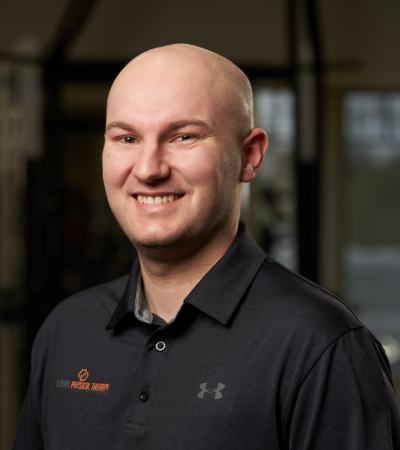
Joe Stangl
Clinic Director, Physical Therapist
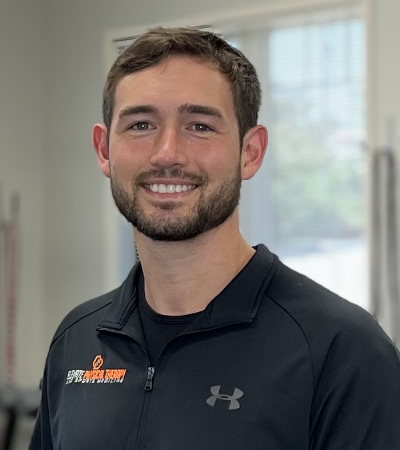
Dyllan Frahm
Physical Therapist
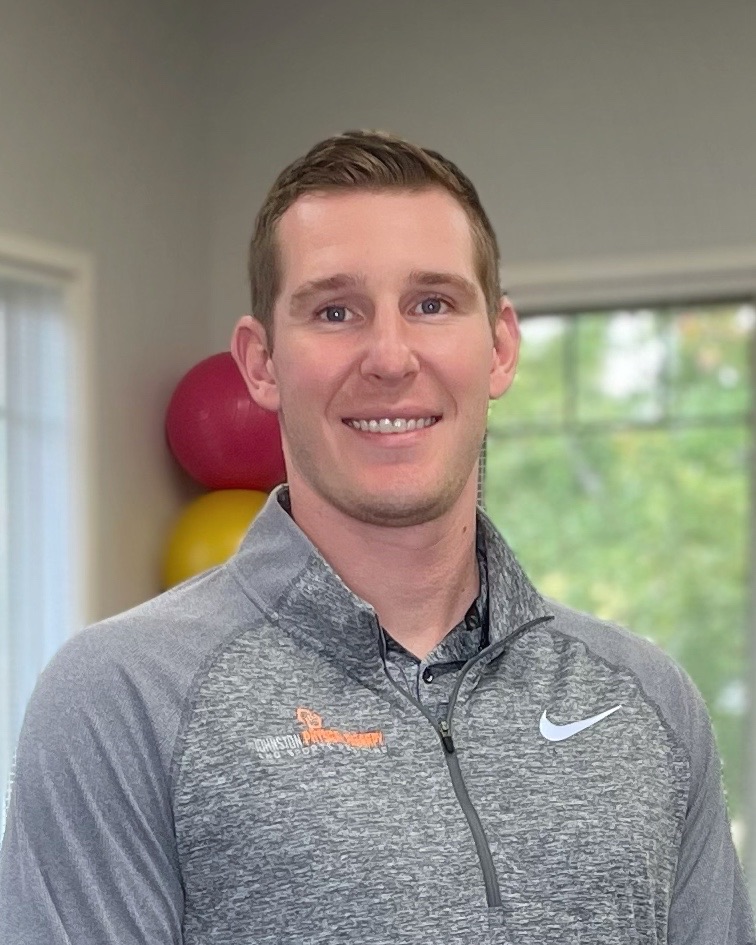
Colton Schnetzer
Physical Therapist
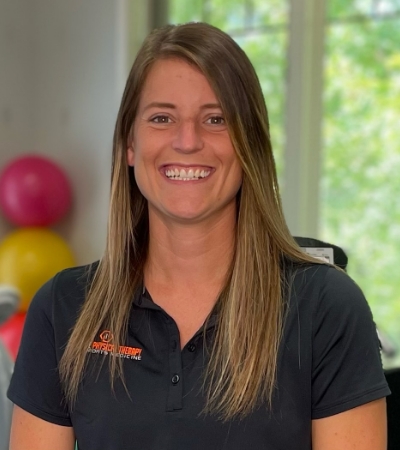
Samantha Sullivan
Physical Therapist

Tamie Drees
Physical Therapist

Lauren Rowedder
Billing Specialist
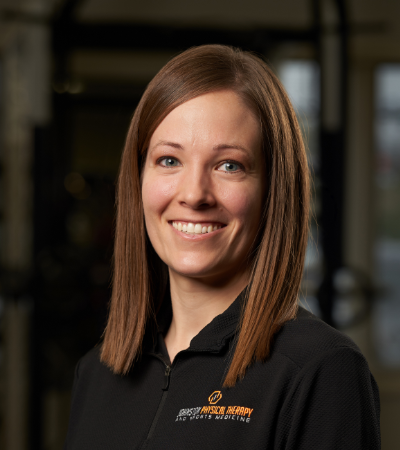
Bekah Wetter
Physical Therapist

Amy Entrekin
Physical Therapist
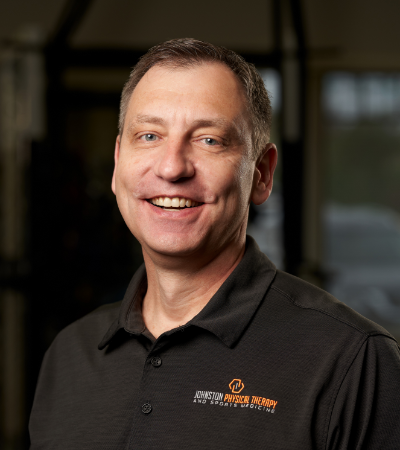
Andrew Bartek
Owner and Physical Therapist

Grant Jacobson
Owner and Physical Therapist

Cindy Bartek
Owner, Director of Marketing and Public Relations

Justin Carlyle
Physical Therapist

Ryan Ingebrand
Physical Therapist

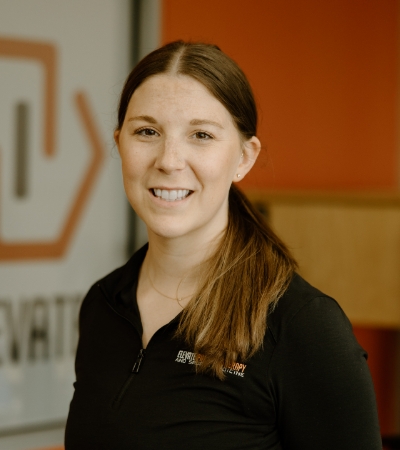
Krista Hansen
Physical Therapist
Recipe of the Month: Buffalo Cauliflower Lettuce Wraps

Ingredients:
- 16 oz. cauliflower florets
- 2 Tbsp. olive oil
- ⅓ cup buffalo sauce
- 8 large lettuce leaves
- 1 stalk celery chopped
- ½ cup matchstick carrots
- ¼ cup blue cheese crumbles
Instructions:
- Preheat oven to 450F.
- Toss cauliflower in oil. Spread evenly on parchment-lined baking sheet and bake 15-20 minutes, flipping midway, until tender.
- Drizzle buffalo sauce onto cauliflower and toss to coat well. Return pan to oven and bake additional 5 minutes.
- Fill lettuce cups with buffalo cauliflower and top with carrots, celery and blue cheese.